Pixar recently cut LGBTQ storylines from its film Elio, signaling a broader industry shift away from woke content in children's entertainment. This move reflects growing backlash against ideological messaging in media, with industry leaders emphasizing the need for mass appeal and appropriate storytelling. The cultural pushback highlights concerns over social contagion and the impact of politicized content on younger audiences.
In recent years, the entertainment industry has seen a significant rise in woke content, particularly in children’s media. This trend, characterized by the infusion of Diversity, Equity, and Inclusion (DEI) themes and LGBTQ messaging, has sparked considerable debate. However, a recent development at Pixar suggests that the era of woke indoctrination in entertainment may be coming to an end.
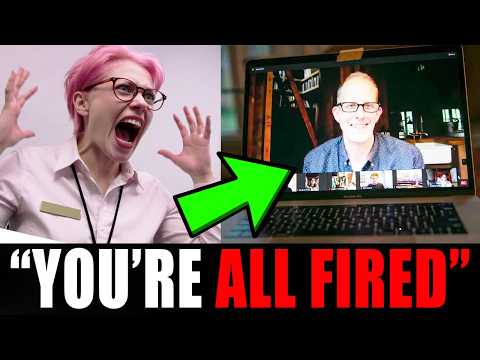
Pete Doctor, Pixar's chief creative officer and director of iconic films such as Monsters, Inc., Up, and Inside Out, recently revealed that Pixar cut LGBTQ storylines from their upcoming film Elio. Doctor stated, “We're making a movie, not hundreds of millions of dollars of therapy.” This blunt statement underscores a shift in Pixar’s creative direction, moving away from overt ideological messaging.
Elio follows a lonely child who seeks friendship among the stars after being rejected by peers. Initially, the film included several LGBTQ elements, such as the protagonist having a pink bike and imagining a life with a male crush. However, early screenings showed poor audience reception, with many indicating they would not pay to see the film in theaters.
In response, Pete Doctor ordered a complete overhaul of the film, which led to the removal of all LGBTQ-related content. This overhaul also resulted in the departure of the original director, Adrien Molina, with Maline Sharafian and Doi Shei stepping in to make significant changes.
The decision to cut LGBTQ content sparked backlash within Pixar’s staff, especially after Disney also removed a transgender character from Pixar’s animated series Win or Lose. Despite internal dissent, the leadership’s message was clear: the focus is on creating movies that appeal broadly and avoid turning films into platforms for ideological therapy.
For years, many viewers and fans have expressed frustration with the increasing politicization of entertainment. The push to inject political and cultural messages into beloved franchises and children’s media has often been met with accusations of narcissism and overreach by creators.
Critics argue that using children’s entertainment as a vessel for political messaging is inappropriate and alienates a significant portion of the audience. While creating new franchises centered on LGBTQ themes is acceptable, repurposing existing stories to serve ideological ends often disrupts the narrative and diminishes the entertainment value.
Data shows a significant increase in LGBTQ identification among younger generations. For example, only 1.7% of traditionalists (born before 1946) identify as LGBTQ, compared to nearly 20% of Gen Z. While some attribute this to greater acceptance, others see it as a cultural phenomenon influenced by aggressive media messaging.
This shift has led to visible changes in youth culture, including unconventional gender expressions and identities. Critics warn of potential mental health issues and irreversible medical interventions resulting from this trend.
Ultimately, the entertainment industry is a business that relies on audience support. The backlash against woke content has led to declining interest and poor reception of films and shows perceived as overly politicized. This market response has prompted companies like Pixar to reconsider their approach.
Pixar’s decision to remove LGBTQ storylines from Elio represents a significant cultural shift in the entertainment industry. It signals a move away from woke indoctrination towards creating content that appeals to a broader audience without pushing ideological agendas, especially in children’s media.
This change reflects growing public resistance to politicized entertainment and highlights the importance of storytelling that inspires and entertains without alienating viewers. As the industry continues to evolve, it remains to be seen how this shift will influence future content and cultural narratives.
The era of woke entertainment may be ending, but the conversation about representation, inclusivity, and storytelling in media is far from over.