
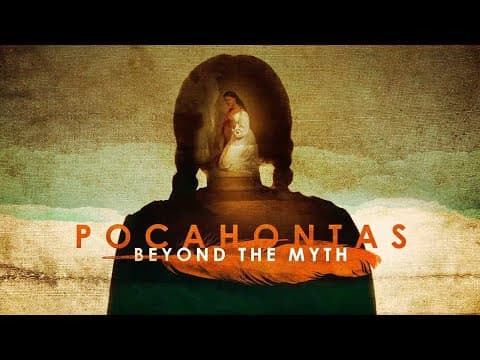
Pocahontas, often romanticized as a Native American princess, was a real person whose life story is intertwined with the early English colonization of America. This blog post explores the complexities of her life, the myths surrounding her, and her significant role in American history, revealing a narrative that goes beyond the fairy tale.
Pocahontas has been a legend for so long that it is almost hard to believe she was an actual person. She was a real girl who walked around the same way we do today, growing up to become the most famous American Indian woman in history. This places her in the company of historical figures like Cleopatra and Joan of Arc. However, how much of the story we know is true? Was Pocahontas a traitor to her people, or perhaps a double agent? What keeps her memory alive over four centuries?
Pocahontas has been celebrated as an American princess, famous on two continents while still a teenager. Her story, often depicted as a romance that unites two cultures, has been passed down through generations. However, the reality of her life was far more complex and less fairy tale-like than the narratives suggest. The true story involves conflict, starvation, and the survival of an entire civilization.
The story begins years before the Pilgrims arrived at Plymouth Rock, when three British ships landed in what is now Virginia to establish the first English colony in the New World. Contrary to popular belief, the Pilgrims were not the first permanent English settlers; that distinction belongs to Jamestown, founded in 1607. The settlers, financed by London investors and granted permission by King James I, sought gold and a passage to the Pacific Ocean.
Upon their arrival, they encountered the Algonquin people, who had lived in the region for thousands of years. Pocahontas, whose real name was Matoka, was the daughter of Chief Powhatan, a powerful leader. While popular culture imagines her as a grown woman, Pocahontas was actually around 9 or 10 years old when the English arrived.
The settlers faced numerous challenges, including attacks from local tribes, disease, and hunger. The Powhatan people initially viewed the English as potential allies, but tensions quickly escalated. John Smith, a key figure in the colony, was captured by Powhatan warriors and brought before the chief. The legendary tale of Pocahontas saving Smith from execution is often romanticized, but historical evidence suggests that the event may have been misinterpreted or exaggerated.
Despite her young age, Pocahontas played a crucial role in the survival of the Jamestown colony. She frequently delivered food to the settlers and acted as a translator, helping to bridge the communication gap between the two cultures. Her bilingual abilities were vital for negotiations and trade, and she became a well-known figure among the colonists.
In 1610, Pocahontas was kidnapped by the English as part of a strategy to negotiate peace with the Powhatan Confederacy. During her captivity, she was baptized and given the name Rebecca. This conversion was seen as a significant step in the English efforts to spread Christianity among Native Americans. The motivations behind her conversion and subsequent marriage to John Rolfe in 1614 remain debated, with some viewing it as a genuine love story and others as a political alliance.
John Rolfe, a wealthy planter, fell in love with Pocahontas, and their marriage was seen as a way to solidify peace between the English and the Powhatan. The union produced a son, Thomas, and marked a period known as the Pocahontas Peace, during which hostilities between the two groups diminished.
In 1616, Pocahontas traveled to England with her husband and son, where she became a sensation. She was presented as a symbol of the successful colonization of Virginia and was even invited to the court of King James I. Her image was carefully crafted to promote the Virginia Company’s interests, showcasing her as a Christian and a bridge between cultures.
Pocahontas's life and legacy are complex. While she is often portrayed as a victim or a traitor, her actions were strategic and multifaceted. She navigated her identity between two worlds, and her story has been told and retold, often with embellishments that obscure the truth.
Pocahontas's impact on American history is undeniable. Her story reflects the broader narrative of colonization, cultural exchange, and the struggles faced by Native Americans. Today, her legacy continues to resonate, reminding us of the complexities of history and the importance of understanding the past beyond the myths that have been constructed around it.
Pocahontas remains a symbol of resilience and adaptability, embodying the intricate relationship between Native Americans and European settlers. Her story is not just a tale of romance but a significant chapter in the history of America, one that deserves to be remembered and understood in its full context.



















