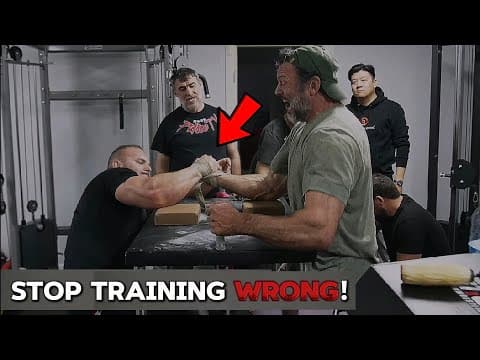
In arm wrestling, both pronation and back pressure are crucial, but their importance varies. This article explores the balance between the two, using examples from elite arm wrestlers like Devon Larratt and Hermes Gasparini. It discusses training techniques, the mechanics of each movement, and how to optimize performance in matches. Ultimately, it suggests a training focus of 70% back pressure and 30% pronation for effective top rolling.
Arm wrestling is a sport that requires a delicate balance of strength and technique. Among the most critical elements of arm wrestling are pronation and back pressure. This article delves into the importance of each, how they interact, and which one deserves more focus in training.
Pronation refers to the rotational movement of the forearm that turns the palm downwards. Back pressure, on the other hand, involves the force exerted backward against an opponent's arm, aiming to detach their elbow from the table. Both are essential for a successful top roll, but their significance can vary depending on the situation and the opponent.
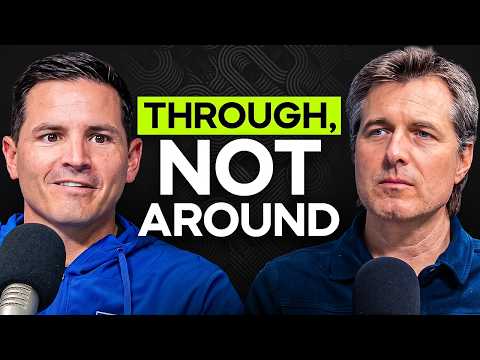
There is a common belief that back pressure is more critical than pronation in arm wrestling. However, this perspective can be misleading. For instance, in a match between Devon Larratt and Hermes Gasparini, many spectators claimed that Hermes was not ready, suggesting that his mental state affected the outcome. Regardless of Hermes's readiness, Devon's ability to utilize pronation effectively played a significant role in his victory.
Devon Larratt is renowned for his unique approach to pronation. While he may not have the strongest pronation compared to other elite pullers like Gorgi and Leavonne, he has mastered its application across various techniques. This versatility makes it challenging for opponents to counter his moves.
Devon's technique involves setting traps for his opponents. By adopting an open arm position, he engages his pronation while sacrificing some elbow angle. This strategy allows him to manipulate the match dynamics, forcing opponents into positions where they lose their wrist strength.
Hermes Gasparini exemplifies the power of back pressure. His strength in this area allows him to isolate his opponent's arm effectively. Even when facing a strong opponent like Devon, Hermes's back pressure can create opportunities to detach the opponent's elbow. However, this strength must be complemented by adequate pronation to be truly effective.
For a successful top roll, it is crucial to maintain a balance between pronation and back pressure. A logical calculation suggests that a top roll should consist of approximately 70% back pressure and 30% pronation. This ratio ensures that the arm wrestler can effectively manage their opponent's movements while maintaining their own strength.
Devon Larratt's pronation lift is a notable example of combining both pronation and back pressure. However, this lift may not be suitable for everyone. The effectiveness of the lift can be limited by the strength of the pronator muscles, which can lead to injuries if pushed beyond their capacity.
When training for pronation, the method of lifting can significantly impact results. Performing a pronation lift with the forearm supported on a table allows for a more efficient transfer of force, enabling lifters to handle heavier weights. In contrast, unsupported lifts engage stabilizing muscles, which can dilute the effectiveness of the pronation movement.
In conclusion, both pronation and back pressure are vital components of arm wrestling. However, the emphasis on training should lean towards back pressure, with a suggested focus of 70% back pressure and 30% pronation. This approach will help arm wrestlers develop a more robust and effective technique, ultimately leading to better performance in matches.
As you refine your skills, remember that the interplay between these two elements is what makes arm wrestling a complex and fascinating sport. Train wisely, and you'll find success on the table.