
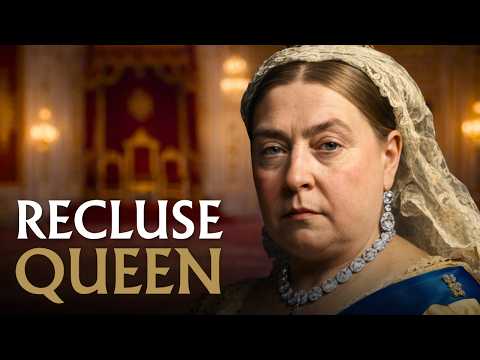
Queen Victoria, born in 1819, ascended to the throne in 1837 and ruled for 64 years, overseeing a period of significant industrial, social, and political change in Britain. Her reign marked the height of the British Empire, yet was also characterized by personal tragedy and a complex relationship with her role as a monarch. This blog post explores her early life, reign, marriage to Prince Albert, and the lasting impact of her legacy.
Queen Victoria, known to history as one of Britain's most iconic monarchs, was born on May 24, 1819, at Kensington Palace in London. Her lineage traced back to the Royal House of Sax Coburg and Gota in modern East Central Germany, through her mother, Princess Victoria Marie Louise. Her father, Prince Edward, Duke of Kent, was the fourth son of King George III. Victoria's early life was marked by the loss of her father shortly after her birth, which set the stage for her unique upbringing.
Victoria was born into a complex royal family, being fifth in line to the British throne at the time of her birth. She was privately christened as Alexandrina Victoria on June 24, 1819. Described as a studious and serious child, she was educated under strict supervision, which would later influence her reign. Her childhood was dominated by the Kensington System, a strict regimen imposed by her mother and Sir John Conroy, which kept her isolated and dependent.
Despite these constraints, Victoria developed a love for writing and drawing, keeping a diary throughout her life. Her early education included languages and music, and she was particularly close to her governess, Baroness Lazen.
Victoria's path to the throne was unexpected. By the time she turned 18, she became the heir due to the rapid succession of deaths in her family. On June 20, 1837, she awoke to the news of her uncle King William IV's death, making her Queen. Her first act as monarch was to assert her independence by removing her bed from her mother's room, symbolizing her break from the Kensington System.
In 1836, Victoria met her cousin, Prince Albert of Saxe-Coburg and Gotha, and they developed a close friendship. After careful consideration, Victoria proposed to Albert in 1839, and they married on February 10, 1840. Their marriage was a love match, and together they had nine children. Albert became a significant influence on Victoria, helping her navigate her royal duties and supporting her in various social and political matters.
Victoria's reign from 1837 to 1901 coincided with the height of the Industrial Revolution in Britain. This period saw significant advancements in technology, transportation, and social reform. The population of Britain grew from 11 million to 37 million, leading to urbanization and the rise of industrial towns. Victoria's government faced demands for social change, including the establishment of trade unions and educational reforms.
Despite the progress, Victoria's reign was also marked by harsh realities, including poverty and crime. She held conservative views, opposing women's suffrage and believing in the social hierarchy.
Victoria's early reign faced challenges, including political scandals and her reliance on Prime Minister Lord Melbourne. The Bedchamber Crisis of 1839 tested her political acumen, as she navigated the complexities of court politics and public opinion. Her close relationship with Melbourne led to rumors of impropriety, which she vehemently denied.
The death of Prince Albert in 1861 profoundly affected Victoria. She entered a period of deep mourning, withdrawing from public life and adopting a reclusive lifestyle. Her grief was compounded by the loss of her mother shortly before Albert's death. Victoria's public image suffered during this time, leading to calls for the abolition of the monarchy.
With the help of her confidants, including John Brown and Abdul Karim, Victoria gradually re-engaged with her royal duties. She became increasingly involved in promoting the British Empire and its expansion, culminating in her coronation as Empress of India in 1876. Her public appearances during her Golden and Diamond Jubilees in 1887 and 1897 restored her popularity, and she became a symbol of national pride.
Queen Victoria's reign was marked by significant achievements and challenges. She presided over a period of immense change, both domestically and internationally. Her legacy is complex; while she is often remembered as a symbol of Victorian morality and domesticity, her reign also saw the expansion of the British Empire and the social upheavals of the Industrial Revolution.
Victoria died on January 22, 1901, after a reign of nearly 64 years, the longest of any British monarch at that time. Her death marked the end of the Victorian era, but her influence continues to shape the British monarchy and its public perception today. The question remains: was she a passive figure dominated by male advisors, or a complex ruler who navigated the challenges of her time with skill?



















