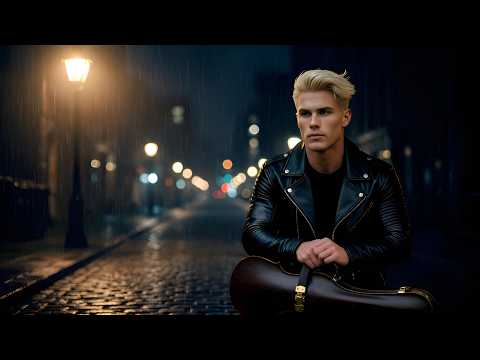
Ralph Buchwitz's song "Our Right" captures the spirit of youth determined to break free from the repetitive cycle of bad news and societal limitations. It encourages young people to take charge, create a future they want to live in, and stand up for their dreams without waiting for permission. The song blends personal reflections with a call to action for systemic change.
In a world saturated with repetitive bad news and stagnant headlines, Ralph Buchwitz's song "Our Right" emerges as a powerful anthem for change and youthful empowerment. The song captures the frustration of hearing the same old narratives and challenges the notion that the future is predetermined by those in power. Instead, it calls on young people to take control and actively shape the world they want to live in.
The song opens with a vivid depiction of the exhausting loop of negative news: "Tired of the bad news loop. Same headline, same old suit." This line reflects a common sentiment among many who feel overwhelmed by constant negativity and a lack of progress. Buchwitz contrasts this with a defiant stance: "They say that's just how it is. We say change it."
This sets the tone for the entire song, emphasizing the need for proactive change rather than passive acceptance.
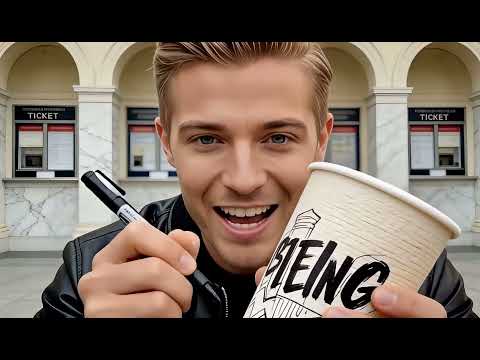
Buchwitz paints a lively picture of youthful energy and creativity: "Watch this group chat buzzing like a street, plans and playlist. Dirty sneaks on concrete. Sharpie on my canvas bag. Big dreams, tiny price tag."
These lines evoke the vibrancy and resourcefulness of young people who are ready to make their mark despite limited resources. The imagery of sneakers, street plans, and personal expression through art symbolizes a generation eager to innovate and disrupt the status quo.
The song critiques those who speak as if the future is already decided: "They talk like the future's theirs. Like we're just guessing there upstairs, but we're the code in the update."
Here, Buchwitz asserts that young people are not passive observers but active participants—"the code in the update"—who have the power to redefine the future.
The recurring refrain, "Let us young create a future, a world I want to live in," serves as a rallying cry. It emphasizes the right and responsibility of the younger generation to build a better world. The song acknowledges the challenges and skepticism faced by youth but insists on perseverance and hope.
Buchwitz includes intimate moments that ground the song in real-life experiences: "Mar signs leaning by the door. Sneakers by the kitchen floor. Mom says, 'Please be safe out there.' I say, 'That's why I care.' Grandma saying you remind me of different decade, same loud."
These lines highlight the intergenerational dialogue and the continuity of youthful passion across time, reinforcing that the desire for change is not new but enduring.
A powerful theme in the song is the rejection of seeking permission to enact change: "We're done asking for permission. I'm not asking for permission. I'm just stating my condition."
Buchwitz emphasizes that as long as he is alive, he will challenge every system and limit. This defiant stance encourages listeners to claim their agency and act boldly.
"Our Right" by Ralph Buchwitz is more than just a song; it is an anthem for a generation ready to break free from the constraints of pessimism and inertia. It celebrates youthful creativity, challenges established power structures, and calls for active participation in shaping a better future. The song's message resonates deeply in today's world, inspiring young people everywhere to raise their hands high and claim their right to dream, create, and win.
This anthem reminds us all that change begins with those who dare to imagine and build a world worth living in, without waiting for anyone's permission.