Rolling Stone is undergoing significant layoffs as part of a broader trend in the media industry. The cuts may be linked to potential liabilities and a shift in company direction under new leadership. As media companies reassess their workforce, the chilling effect of political activism among staff is becoming evident, leading to a potential culling of employees deemed problematic. This article explores the implications of these layoffs and the future of media companies in a politically charged,
In recent news, Rolling Stone has announced significant layoffs as part of a broader trend affecting many media companies. This development raises questions about the future of journalism and the impact of political activism within the industry. In this article, we will explore the reasons behind these layoffs, the implications for Rolling Stone, and the potential future of media companies navigating a politically charged environment.
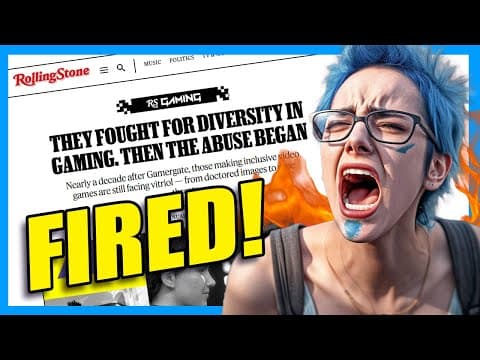
Rolling Stone is reportedly undergoing staff reductions, with notable departures including executive digital director Lisa Tozy, chief television critic Allan Sepinwal, and copy chief Steven Pearl. These layoffs come as the parent company, Penske Media, seeks to shrink headcount across its various properties. Interestingly, while the company is letting go of several employees, it is also hiring new staff, which raises questions about the motivations behind these changes.
One theory surrounding these layoffs is the concept of the "chilling effect." This term refers to the potential for media companies to dismiss employees who may pose a liability due to their outspoken political views or controversial statements. As media outlets face increasing scrutiny and potential lawsuits, there is a growing trend of companies prioritizing a more neutral stance to avoid backlash from audiences and advertisers.
The recent firings at Rolling Stone may be indicative of a larger shift in the media landscape, where companies are becoming more cautious about the political affiliations and public statements of their employees. This trend is not isolated to Rolling Stone; other media outlets, such as Gawker and Geom Media, have also faced similar challenges, leading to significant staff changes.
The layoffs at Rolling Stone may also signal a change in direction under new CEO Jay Penske. In August, Penske announced a new policy requiring all employees to work at least four days a week in the office, a move that has been met with mixed reactions. This policy appears to be part of a broader effort to reshape the corporate culture and productivity goals within the company.
However, this shift raises concerns about the treatment of remote workers and the potential for further layoffs as companies seek to streamline operations. Many employees who live outside major metropolitan areas may find themselves at risk if they cannot meet the new in-office requirements.
The current media landscape is heavily influenced by political activism, and this has led to a backlash against outspoken employees. Many media companies are now faced with the challenge of balancing the need for diverse perspectives with the risk of alienating audiences. As a result, there is a growing trend of companies distancing themselves from employees who engage in political discourse that may be deemed controversial.
This trend is particularly evident in the comic book industry, where employees with strong political affiliations have faced scrutiny. As companies seek to avoid potential liabilities, they may be forced to make difficult decisions about who remains on staff.
As Rolling Stone and other media companies navigate these turbulent waters, the future of journalism remains uncertain. The trend of layoffs and staff reductions may continue as companies seek to eliminate potential liabilities and focus on core business objectives. This could lead to a more homogenized media landscape, where political discourse is minimized in favor of a more neutral approach.
The implications of these changes are significant. Audiences may find themselves with fewer diverse perspectives, and the role of journalism in holding power accountable could be compromised. As media companies grapple with these challenges, it will be crucial for them to find a balance between maintaining journalistic integrity and ensuring financial viability.
The layoffs at Rolling Stone are a reflection of the broader challenges facing the media industry today. As companies reassess their workforce and navigate the complexities of political activism, the future of journalism hangs in the balance. It remains to be seen how these changes will impact the media landscape and whether audiences will continue to demand diverse perspectives in their news coverage.
As we move forward, it is essential for media companies to prioritize transparency and accountability while adapting to the evolving demands of their audiences. The coming months will likely reveal more about the direction of Rolling Stone and other media outlets as they respond to these unprecedented challenges.