Ronald the Purple Cat created parody versions of Baby Einstein videos and distributed them on DVDs, including unauthorized use of other children's series promos. This led to a copyright infringement lawsuit by the Baby Einstein Company. The court ruled against Ronald, sentencing him to jail time and fines, and banning his parody videos from the market.
Ronald the Purple Cat embarked on a creative venture to produce parody versions of the renowned Baby Einstein series. Inspired by other companies' imitations, Ronald aimed to create his own unique adaptations of the original videos: Language Nursery, Baby Mozart, and Baby Bach. However, his efforts led to serious legal repercussions.
Ronald noticed many Baby Einstein imitations, including parody videos by BM Korea. Motivated by these, he decided to create his own parodies titled "Ronald's Baby Genius," featuring multiple spoken languages such as English, French, Spanish, Korean, Chinese, German, and Japanese.
He planned to distribute these parodies on DVDs, including a Ronald Home Video logo before the main menu. Additionally, Ronald incorporated intros and promos from various children's series like The Care Bears Family, 64 Zoo Lane, The Minimighty Kids, Mama Mirabelle's Home Movies, and Cyberchase to give the DVDs a nostalgic pre-show feel.
After considerable effort, Ronald completed the DVDs and prepared them for distribution, hopeful of earning income from his work.
Unexpectedly, Ronald received a copyright infringement lawsuit from the Baby Einstein Company. The company accused him of multiple counts of copyright infringement, unauthorized derivative works, and illegal use of third-party promotional materials.
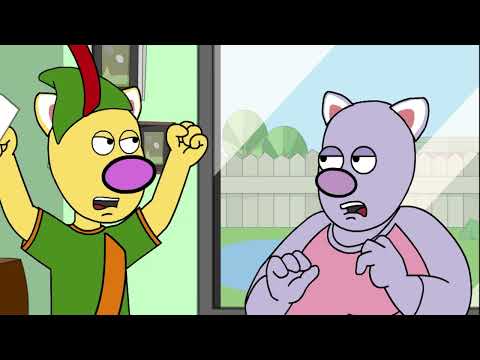
Ronald's guardians confronted him about the lawsuit, expressing their frustration and concern over the legal implications. Ronald explained that he had created his own versions differently and believed his actions were fair use.
The court session began with the Baby Einstein Company and Julie Clark, the creator of Baby Einstein, presenting their case against Ronald.
Julie Clark shared the origin of Baby Einstein, which she started in 1996 to expose infants to art, music, and language. She emphasized that Ronald's parodies were not a tribute but a theft of her creative structure, aesthetic, and brand identity.
She recounted a previous lawsuit against BM Korea for making bootleg copies of Baby Einstein videos, which included inappropriate content such as clips of naked babies. This highlighted the importance of maintaining quality control and protecting the brand's integrity.
Ronald insisted he did not intend to infringe copyright and had made distinct versions of the original videos. He cited other companies like Brainy Baby and BabyFirstTV that made their own imitations, believing his parodies fell under fair use.
However, the court clarified that intent does not excuse infringement. Unauthorized use of copyrighted material, even in parody form, requires permission from the copyright holder.
Further testimony revealed that Ronald had included unauthorized intros and promos from other children's series on his DVDs without permission. This was seen as an attempt to make his bootlegs appear official and to profit from content owned by others.
Ronald admitted he simply wanted to create a nostalgic pre-show experience but acknowledged he lacked the rights to use those materials.
The court found Ronald guilty of copyright infringement, unauthorized derivative works, and illegal use of third-party promotional materials. The judge emphasized the importance of intellectual property rights in fostering creativity and warned against disregarding copyright laws.
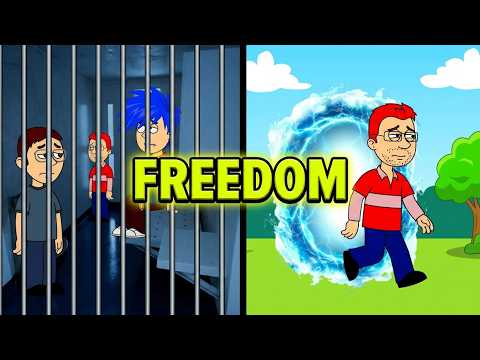
Ronald was sentenced to a one-month trial period in prison to reflect on the significance of original creation. Additionally, his guardians were fined $1,000 payable to the Baby Einstein Company.
All of Ronald's Baby Einstein parody videos were permanently banned and removed from the market. Furthermore, Ronald was grounded for 35 weeks upon release from jail as part of his legal punishment.
Ronald the Purple Cat's attempt to create and distribute parody versions of Baby Einstein videos without authorization resulted in serious legal consequences. This case underscores the importance of respecting copyright laws and obtaining proper permissions when creating derivative works, even if intended as parody or tribute.
Intellectual property rights protect creators' efforts and ensure the continued production of quality content. Unauthorized use, regardless of intent, can lead to significant penalties and damage to one's reputation.
Ronald's story serves as a cautionary tale for creators and fans alike about the boundaries of fair use and the consequences of infringement.