Rush's recent comeback performance at the Juno Awards sparked mixed reactions, revealing a deeper problem in rock music fandom: the unrealistic expectation that bands must remain unchanged over decades. Criticisms about lineup changes, vocal performance, and the band's evolution overlook the realities of aging musicians and the need for bands to adapt. This article explores these issues and challenges the notion of nostalgia-driven standards in rock music.
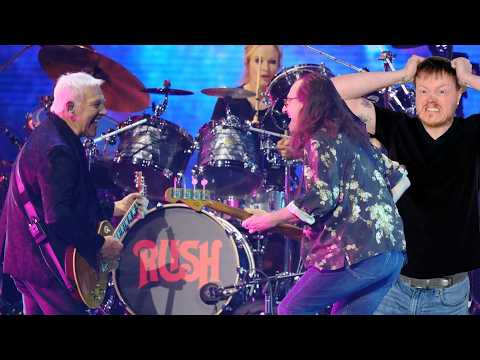
Last night, Rush performed at the Juno Awards for the first time in over a decade, marking a significant moment for fans and the rock music community. The performance, however, sparked a wide range of reactions — from excitement and emotion to harsh criticism. This divide in opinion exposes a much larger problem within rock music fandom: the unrealistic and often unfair expectations placed on legacy bands as they evolve.
This performance was a one-off televised event, the first of its kind since the passing of Neil Peart, Rush's legendary drummer. The band featured new drummer Anakah Niles alongside longtime members Geddy Lee and Alex Lifeson. Given the circumstances, this comeback was bound to be a complex and sensitive moment.
Some fans dismissed the performance as a tribute band act, claiming it wasn't truly Rush without Neil Peart. This perspective is not only incorrect but also dismissive of the band's reality. It's important to note that Neil Peart was not the founding drummer — that was John Rutsey. Bands evolve, and expecting them to remain frozen in their original form ignores the natural progression of time and life.
Critics also targeted Geddy Lee's vocal performance, arguing he couldn't hit the notes as he once did. However, these songs were written decades ago at challenging vocal ranges, and expecting a septuagenarian to replicate the exact sound in a high-pressure, live broadcast setting is unrealistic. Unlike a tour with multiple nights to improve, this was a single live performance with no room for error or adjustment.
Performing live on television adds layers of difficulty. Monitor mixes can be off, affecting pitch and timing, and the pressure of real-time performance leaves no margin for mistakes. These factors can make even the best bands sound less than perfect, but they do not indicate a decline in talent or authenticity.
Perhaps the most frustrating criticism is the suggestion that Rush should have simply stayed home and not performed at all. This viewpoint essentially demands that the band remain static, never evolving or continuing to share their music because it doesn't match fans' nostalgic memories. This is not respect for the band; it's an attempt to control their legacy and deny their current reality.
The decision to perform with a new drummer was not taken lightly. The Neil Peart estate must approve such moves, indicating that those closest to Neil and the band support this evolution. Fans who claim to love Neil but reject the band's current form are disregarding the judgment of those who knew him best.
Anakah Niles, the new drummer, has faced unfair criticism regarding her ability and appearance. She is an accomplished musician, and the expectation that she should "replace" Neil Peart is misguided. The band has made it clear that no one is replacing Neil; rather, they are creating a version of Rush that can exist today. Critiques focused on her gender or looks reveal more about the critics than about her musicianship.
This situation with Rush is not unique. Many legacy rock acts face similar scrutiny when they evolve or change. A segment of rock fans wants everything to remain exactly as it was when they first discovered the band — frozen in time, sound, and appearance. But life does not work that way. People age, perspectives shift, and bands must adapt or cease to exist.
Expecting a band to remain unchanged for decades is an impossible standard that leads to inevitable disappointment. This nostalgia-driven mindset stifles creativity and growth and ultimately disrespects the artists' journeys.
Rush's comeback performance at the Juno Awards was a milestone that should be celebrated for what it represents: resilience, adaptation, and the enduring spirit of rock music. While not everyone will love the performance, dismissing it as a cover band act or demanding the band stay home is neither fair nor constructive.
Fans should appreciate the band's efforts to continue sharing their music in a new form rather than clinging to impossible standards rooted in nostalgia. After all, the essence of music is evolution and connection, not stagnation.
Have you seen Rush live recently or plan to? What are your thoughts on legacy bands evolving over time? Share your views and experiences to keep the conversation going.