
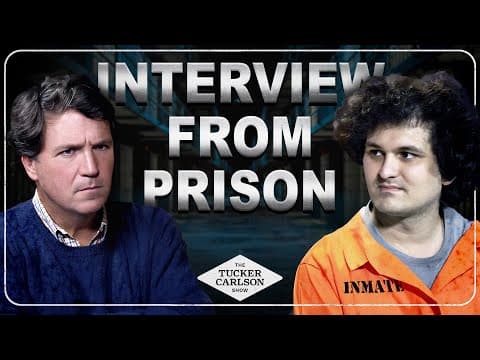
In a candid interview, Sam Bankman-Fried shares his experiences in prison, reflections on his past decisions, and the political dynamics that led to his current situation. He discusses the challenges of prison life, his views on cryptocurrency regulation, and the unexpected friendships formed behind bars, including with Diddy.
In a recent interview, Sam Bankman-Fried, the former CEO of FTX, opened up about his life in prison, the challenges he faces, and his reflections on the political landscape that contributed to his downfall. Currently incarcerated in MDC Brooklyn, Bankman-Fried has been in prison for about two years, and his experiences shed light on the complexities of his situation.
Bankman-Fried describes his prison environment as dystopian but acknowledges that he is not in physical danger. He notes that while many staff members try to be helpful, the overall experience is challenging. He emphasizes that trivial matters become significant when locked away with others who have been charged with crimes.
One of the most significant challenges he faced was during his trial, where accessing legal work was nearly impossible. He recounts being woken up at 4 a.m. and spending hours in transit to and from the courtroom, leaving little time for legal preparation.
When not in trial, Bankman-Fried spends his time reading books, playing chess, and working on his legal case as much as he can. He reflects on the soul-crushing nature of prison life, where meaningful activities are scarce.
During the interview, Bankman-Fried reflects on his past communication style, admitting that he was not effective in conveying his thoughts during the crisis that led to his downfall. He acknowledges that his mind was racing with numerous responsibilities, which may have contributed to his perceived erratic behavior in public appearances.
Being cut off from the digital world has given him a different perspective. While he misses the productivity that technology offers, he recognizes the challenges of navigating the digital landscape and its impact on mental health.
Interestingly, Bankman-Fried shares that he has made friends in prison, including high-profile inmates like Diddy. He describes Diddy as kind and notes that their shared experience in such a grim environment fosters unexpected camaraderie.
He also mentions that many inmates, including those with criminal backgrounds, possess surprising skills, such as being adept at chess. This has led him to reflect on the nature of intelligence and success, realizing that traditional metrics do not always capture an individual's potential.
Bankman-Fried discusses his political donations, particularly to the Democratic Party, and expresses disappointment in the lack of support he received during his legal troubles. He speculates that his shift in political donations to Republicans may have influenced the response from his former allies.
He shares his views on the current state of cryptocurrency regulation, criticizing the SEC under Gary Gensler for its lack of clarity and support for the industry. He believes that the U.S. has been overly obstructive, which has hindered the growth of cryptocurrency in the country.
The conversation also touches on Bankman-Fried's association with effective altruism, a philosophy that emphasizes doing the greatest good for the greatest number. He expresses regret over the impact of his company's collapse on individuals who lost their investments, acknowledging the irony of his intentions versus the outcomes.
He argues that while helping those close to us is important, it does not negate the responsibility to assist those in need globally. He emphasizes the need for effective interventions that truly address the needs of communities rather than imposing solutions without understanding local contexts.
As Bankman-Fried contemplates his future, he acknowledges the uncertainty of his situation, including the length of his potential sentence. He reflects on the stark contrast between his previous life in the digital finance world and his current existence in prison, where the medium of exchange is as basic as muffins and ramen.
In closing, Bankman-Fried expresses a desire for redemption and a hope that the cryptocurrency industry can evolve positively despite the challenges it faces. He remains aware of the rapid changes occurring in the world outside prison and the potential for a future that may look vastly different from the one he left behind.
This interview provides a unique glimpse into the mind of a man navigating the complexities of life behind bars while reflecting on the choices that led him there. His story serves as a reminder of the intricate interplay between personal decisions, political dynamics, and the evolving landscape of technology and finance.



















