In Lexington, Kentucky, outreach workers are battling the harsh realities of homelessness exacerbated by House Bill 5, which criminalizes homelessness. As temperatures plummet, organizations like the Compassion Caravan are working tirelessly to provide shelter and support to those in need, highlighting the urgent need for systemic change to address homelessness effectively.
In the face of extreme cold weather, the plight of the homeless becomes even more dire. In Lexington, Kentucky, outreach workers are on the front lines, striving to save lives and provide shelter to those who are vulnerable. This blog post explores the challenges faced by the homeless community in Kentucky, particularly in light of House Bill 5, which criminalizes homelessness, and the efforts of compassionate individuals working to make a difference.
As temperatures drop to dangerous levels, outreach workers like Thomas are mobilizing to check on homeless encampments. With a severe storm approaching and temperatures plummeting to one degree, the urgency to get people off the streets is palpable. Thomas explains that they aim to ensure that individuals have made it through the night and to provide them with food and shelter.
House Bill 5 has made it increasingly difficult for outreach workers to assist the homeless. This legislation criminalizes homelessness, leading to the confiscation of essential items like sleeping bags, which are crucial for survival in freezing temperatures. Thomas shares that the police often remove individuals from their camps, forcing them to relocate and making it harder for outreach workers to find and assist them. This cycle of displacement not only complicates efforts to provide help but also exacerbates the struggles of those already facing immense challenges.
The consequences of homelessness are severe. Thomas recounts the tragic story of a man who died outside due to the lack of a sleeping bag, highlighting the life-and-death stakes involved. Many individuals who find themselves homeless for the first time often do so due to financial strain, such as a sudden increase in rent. This situation can lead to a downward spiral, where individuals who were once stable may turn to drugs or other desperate measures to cope with their new reality.
Outreach workers play a critical role in providing immediate assistance to those in need. They distribute sleeping bags, hand warmers, and food, and offer motel stays to protect individuals from the harsh weather. Thomas and his team work tirelessly to connect with those living in encampments, ensuring they have access to shelter and resources. Their efforts are not just about providing temporary relief but also about fostering connections that can lead to long-term solutions.
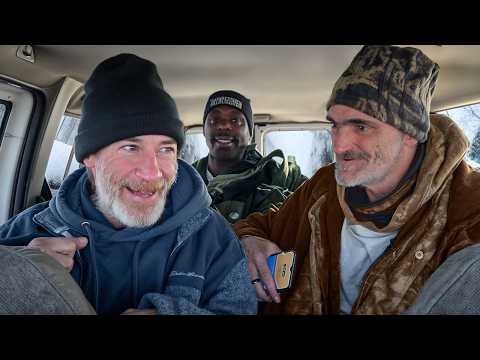
The day unfolds with Thomas and his team visiting various camps, checking on individuals, and offering motel stays. They encounter people like Dwayne, who has been homeless for six years after losing his mother. Thomas reassures him that he will have a warm place to stay for eight days, emphasizing the importance of providing not just shelter but also dignity and hope.
The outreach team also faces unexpected emergencies. During one outing, they encounter a woman who appears to be in distress in her car. Quick thinking and compassion lead Thomas to intervene, potentially saving her life. This incident underscores the unpredictable nature of their work and the critical need for immediate responses to health crises among the homeless population.
While outreach efforts are vital, they are not a substitute for systemic change. The criminalization of homelessness does not address the root causes of the issue and often makes the situation worse. Tanya, a former city council member, emphasizes the need for investment in affordable housing and support systems that can prevent homelessness in the first place.
Organizations like the Catholic Action Center are essential in this fight against homelessness. They provide not only immediate assistance but also advocate for long-term solutions. Community support is crucial; individuals are encouraged to speak out against the criminalization of poverty and to support evidence-based programs that address homelessness effectively.
The fight against homelessness in Kentucky, particularly during the deadly cold of winter, is a complex and urgent issue. Outreach workers like Thomas are making a significant impact, but without systemic change, the cycle of homelessness will continue. It is imperative for communities to come together, support those in need, and advocate for policies that prioritize human dignity and the right to shelter. Together, we can work towards a future where no one has to face the cold alone.