A Jewish man in Florida opened fire on two individuals he mistakenly believed to be Palestinians, only to discover they were Israeli tourists. This incident raises questions about media coverage and the complexities of racism and violence across different communities.
In a shocking incident in Miami Beach, a Jewish man opened fire on two individuals he believed to be Palestinians, only to find out they were actually Israeli tourists. This event not only highlights the dangers of racial and ethnic assumptions but also raises critical questions about media representation and the narratives surrounding violence in different communities.
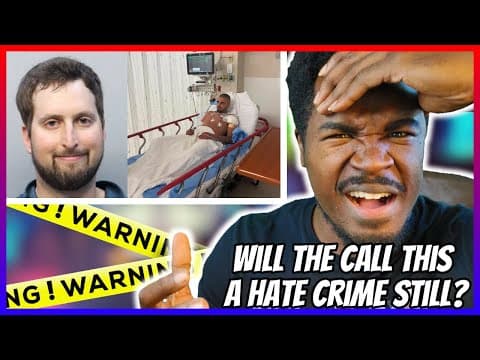
On a Saturday night, Morai Bratman, a 27-year-old plumber, allegedly fired 17 shots at a car, wounding the two occupants. Initially, Bratman thought he was targeting Palestinians. However, the victims were a father and son visiting from Israel. According to police reports, Bratman made a U-turn upon spotting the car and began shooting without any prior interaction with the victims.
One of the victims, identified as Ari R, recounted the terrifying moment, stating, "Boom boom boom, and he randomly started shooting." The incident left one of the victims with a bullet hole in his shirt, and he was later hospitalized. Bratman was apprehended shortly after the shooting and is currently facing attempted murder charges.
While in custody, Bratman reportedly confessed to believing he had killed two Palestinians. This admission raises significant concerns about his intentions and the underlying motivations for his actions. The police confirmed that Bratman and the victims did not know each other prior to the incident.
This incident has sparked discussions about why such stories often do not receive extensive media coverage. The narrative surrounding violence and racism is frequently portrayed in a one-dimensional manner, often focusing on specific racial dynamics. In this case, the fact that both the shooter and the victims were Jewish complicates the narrative, leading to questions about why this story might not be highlighted in major news outlets.
The discussion around this incident draws parallels to other forms of violence that often go underreported, particularly within the Black community. The concept of "Black-on-Black crime" is frequently cited in discussions about violence, yet similar incidents involving individuals from other ethnic backgrounds often receive less attention. This raises the question: why do certain narratives dominate the media landscape while others are marginalized?
The shooting incident serves as a reminder of the complexities surrounding identity, racism, and violence. It challenges the notion that only certain groups can be perpetrators of hate crimes and emphasizes that prejudice can exist across all communities. The reluctance of media to portray such incidents involving Jewish individuals as perpetrators of violence reflects broader societal biases and the need for a more nuanced understanding of these issues.
As we reflect on this incident, it is crucial to engage in open discussions about the nature of violence, identity, and media representation. The shooting in Miami Beach is not just a story about a crime; it is a lens through which we can examine the complexities of race, ethnicity, and the narratives that shape our understanding of these issues.
What are your thoughts on this incident? Should it have received more media attention? How do you perceive the narratives surrounding violence in different communities? Share your opinions in the comments below.