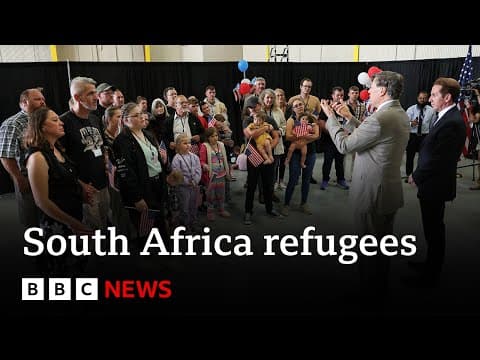
A group of South African refugees, including Charles Klein, has arrived in the U.S. seeking safety from racial discrimination. Klein discusses his experiences, the challenges he faces, and the scrutiny surrounding his past comments.
This week, a group of 59 white South Africans arrived in the United States, having been granted refugee status. President Donald Trump stated that their applications were expedited due to their claims of being victims of racial discrimination. However, the South African government has denied these claims, leading to a complex narrative surrounding their migration.
Afrikaners, who settled in South Africa nearly four centuries ago, have a controversial history, particularly due to their role in the apartheid movement. Typically, refugee applications can take years to process, but this group was able to secure their status in just three months, raising questions about the vetting process.
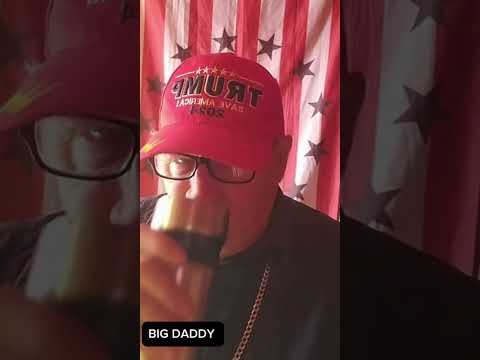
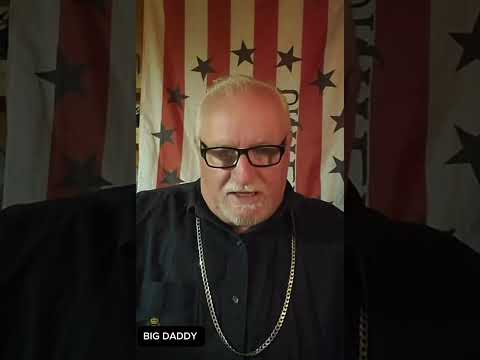
Namia Ikbal, a North America correspondent, spoke exclusively with Charles Klein, a 46-year-old Afrikaner who is now resettling in Buffalo, New York. Klein's life has drastically changed; he now lives in a budget hotel near a highway with his two children and a young grandson. He explained that his decision to leave South Africa was driven by safety concerns.
Klein described the stark contrast between his previous life in South Africa and his current situation in the U.S. He expressed frustration over being labeled as a racist simply because of his skin color. "If you're white, you're wrong in South Africa. You are a land thief, you are a racist," he stated. Despite these accusations, Klein insists he is not a racist and claims to have many black friends.
He recounted specific incidents that prompted his departure, including threats to his safety, vandalism of his property, and a lack of police protection. "The only thing that's left on my farm is a sign that says mining area," he lamented.
Klein has faced scrutiny for past social media posts that contained anti-Semitic remarks. He defended his right to be in the U.S. as a refugee, stating, "I didn't come here for fun, but my children are safe." He acknowledged the controversy surrounding his past comments but emphasized that he is here to contribute positively to American society.
Klein described his arrival in the U.S. as overwhelming. He did not expect the warm welcome from the Trump administration and recognized that he and his fellow refugees would need to start from the bottom in their new lives. "We know we're going to start here from the bottom because we are the new people here," he said.
Klein expressed anxiety about being caught up in a political game, acknowledging the fears that come with being a refugee in a politically charged environment. He urged people not to view their situation as an opportunistic move but rather as a genuine search for safety and stability.
As Klein navigates his new life in America, he holds onto hope for a better future. He believes that his migration is part of a divine plan, despite the challenges and controversies he faces. His story sheds light on the complexities of refugee status, racial identity, and the quest for safety in a new land.