Star Trek Starfleet Academy has received overwhelmingly negative audience reviews and low viewership despite high production costs and positive critic scores. Fans express disappointment and question the show's direction, with some comparing its poor reception to previous Star Trek series. The franchise's current state reflects a disconnect between creators and the loyal fanbase, highlighting the need for fresh creative leadership.
After just two episodes, Star Trek Starfleet Academy has been met with significant criticism from audiences. While critics have given the show relatively high scores, the fan reception tells a very different story. This article explores the disparity between critic and audience reviews, the show's viewership numbers, and the broader implications for the Star Trek franchise.
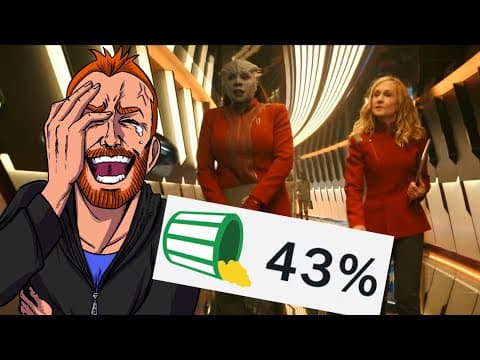
On review aggregator websites, the contrast between critic and audience scores for Star Trek Starfleet Academy is stark. Rotten Tomatoes shows an 87% critic score, indicating that critics found the show "stunning and brave," albeit with some reservations. However, the audience score is only 43%, revealing a massive gap in perception.
For context, other recent Star Trek series have also faced similar disparities:
On IMDb, Starfleet Academy has a 4.9 out of 10 rating from approximately 6,700 users, aligning closely with the Rotten Tomatoes audience score. Metacritic presents a metascore of 66 but an even lower audience score of 2.1 out of 10.
These numbers suggest that the negative audience reception is genuine and not merely the result of review bombing.
The show has been widely criticized on social media platforms such as Twitter and YouTube. Many fans are questioning the target audience for Starfleet Academy, with some suggesting it feels like a vanity project or a production made primarily for Hollywood insiders rather than dedicated Star Trek fans.
While there are some viewers who appreciate aspects of the show—such as episode two's resolution or certain story elements—these positive opinions are in the minority. The general consensus among fans is disappointment, with some wondering if audience standards have simply lowered or if the show truly lacks quality.
Comparisons to other Star Trek productions are not favorable. For example, Starfleet Academy is considered better than Section 31, but that is hardly a compliment given Section 31's poor reception. Even mainstream movies like The Marvels are viewed as more watchable than Section 31.
An insightful example of the show's lack of engagement comes from a report by Geeks and Gamers.com. YouTuber Gary Buechler, known as Nerdrotic, conducted an experiment to test audience interest by livestreaming a stationary Spock action figure with no activity.
The results were telling:
This means that a livestream of nothing happening attracted nearly three times the audience of the highly promoted Starfleet Academy premiere.
Starfleet Academy is a high-budget production, likely comparable to Star Trek Discovery's estimated $8 million per episode. The show features extensive CGI, including robots and computer-generated characters interacting with live actors, as well as some of the largest and most impressive sets in the franchise's history.
Despite this investment, the show struggles to attract viewers, which points to deeper issues beyond production value.
The poor reception of Starfleet Academy is symptomatic of broader problems within the Star Trek franchise. Recent productions have largely been disappointing to fans, eroding trust and enthusiasm.
Many fans feel that the franchise is no longer in the hands of creators who truly understand or respect Star Trek's legacy. The disconnect between the franchise's direction and fan expectations has led to skepticism and disengagement.
For the franchise to regain its footing and win back its audience, significant changes are necessary:
Currently, it appears that those in charge are either unaware of or indifferent to fan dissatisfaction, as no meaningful changes have been made despite ongoing criticism.
Star Trek Starfleet Academy's rocky start highlights the challenges facing the franchise today. Despite high production values and critical praise, the show has failed to resonate with its core audience, resulting in low ratings and poor viewership.
While some viewers may still find value in the series, the overwhelming fan response suggests that the franchise needs to rethink its approach. Whether this will lead to a revival of Star Trek's former glory remains to be seen, but for now, Starfleet Academy stands as a cautionary tale about the importance of aligning creative vision with audience expectations.
As one commentator put it, watching the show has become like watching a car crash—difficult to look away from, but painful to witness. Fans and critics alike will be watching closely to see if future episodes can turn the tide or if the series will continue its downward spiral.
Thank you for reading this comprehensive overview of Star Trek Starfleet Academy's reception and the state of the franchise.