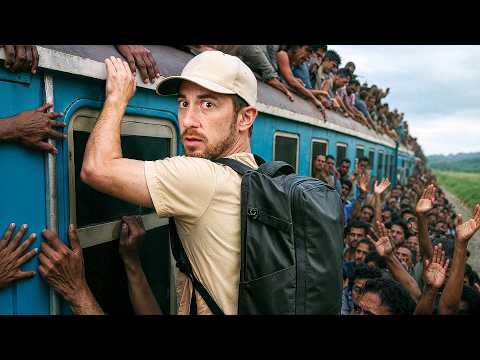
Dhaka, Bangladesh, known for its chaotic and dangerous traffic, is home to millions who rely on trains, rickshaws, buses, and boats for daily commutes. Despite the dangers and congestion, the city's vibrant culture and resilient people keep it moving. This article explores the daily life, transportation challenges, and the spirit of Dhaka's inhabitants.
Welcome to Dhaka, Bangladesh, a city infamous for having some of the world's most dangerous roads and chaotic public transportation. This article takes you on a journey through Dhaka's bustling streets, exploring how millions of people commute daily amidst the madness.
The adventure begins on a wildly crowded train, where the noise is deafening and the dust fills the air. Despite the chaos, locals smile and treat this hectic commute as a normal part of life. The train is a lifeline for many, offering a fast way to bypass the city's notorious traffic jams.
Passengers often board and disembark without paying, and vendors sell food and goods, creating a vibrant economy around the train system. Children and adults alike hang on the sides and even the roof of the train, risking their lives daily. One young boy, living on the train platform and selling plastic bottles for recycling, exemplifies the harsh realities faced by many children in Dhaka.
Dhaka's streets are perpetually congested, with traffic jams that can last for hours. Rickshaws, both manual and electric, are a preferred mode of transport, with over a million operating in the city. They offer an affordable way to navigate the narrow and crowded streets.
Public buses are another common option, though they are often packed beyond capacity, making boarding and disembarking a challenge. Despite the dangers and discomfort, these modes of transport are essential for the city's residents.
Many children work on the trains and buses, selling snacks and trinkets to support their families. The story of a 10-year-old boy living on a train platform highlights the resilience and hardships faced by many.
Despite the dangers, the people of Dhaka show remarkable patience and resilience. The city's population exceeds 25 million unofficially, making it one of the most densely populated places on Earth.
Old Dhaka is the historic heart of the city, characterized by narrow streets, bustling markets, and a rich cultural atmosphere. Here, vendors sell everything from food to clothing in a vibrant, chaotic environment.
Walking through Old Dhaka is an overwhelming sensory experience, with sights, sounds, and smells that capture the essence of the city.
Traffic congestion costs Bangladesh over $3 billion annually due to lost productivity. Yet, despite these challenges, Bangladesh boasts one of the fastest-growing economies in the world, demonstrating the determination and momentum of its people.
In Dhaka, affordable services like massages offer a brief respite from the chaos. A neck and head massage costing less than a dollar provides relief from the stress of the city.
The river crossing is another essential part of life, with thousands of people using ferries and small boats daily. The river offers a rare moment of calm amidst the city's hustle.
Despite the noise, pollution, and danger, Dhaka is full of life and energy. The people are patient, resilient, and resourceful, navigating their daily lives with determination.
The city's traffic and transportation challenges shape its culture and social interactions, but they do not define it. Beneath the chaos lies a vibrant community that keeps Dhaka moving forward.
Dhaka's traffic may be among the deadliest and most chaotic in the world, but it is also a testament to the spirit of its people. From crowded trains and rickshaws to bustling markets and peaceful river rides, the city is a complex tapestry of struggle and resilience.
Understanding Dhaka's transportation challenges offers insight into the lives of millions who navigate this vibrant city every day, embodying a spirit that refuses to be broken.
This article was inspired by a detailed exploration of Dhaka's transportation and culture, highlighting the resilience and vibrancy of its people.