
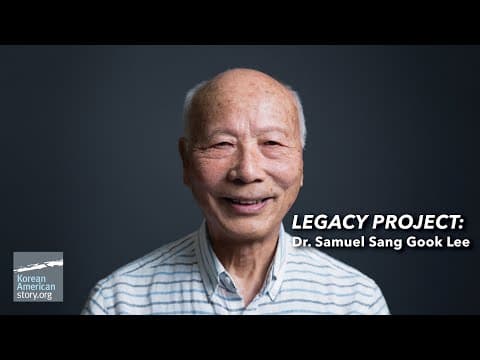
Dr. Samuel Sang Gook Lee shares his poignant experiences growing up during the Japanese occupation of Korea, detailing the oppressive environment, personal struggles, and the impact of his family's faith amidst adversity.
In a compelling narrative, Dr. Samuel Sang Gook Lee recounts his life experiences during the Japanese occupation of Korea, which began in 1910 and lasted until the end of World War II in 1945. Born in 1935 in Daegu, Korea, Dr. Lee reflects on the challenges faced by himself and his family during this tumultuous period.
Dr. Lee's memories of the Japanese occupation are vivid and haunting. He recalls attending primary school where the principal and many teachers were Japanese. Each morning, students were required to recite the 황국신민선서, a pledge of loyalty to the Emperor, which included phrases like "Pray to the Emperor and I will do my best with my life." This indoctrination was a form of brainwashing, aimed at erasing Korean identity.
The Japanese authorities enforced strict cultural suppression. Korean names were often replaced with Japanese ones; Dr. Lee himself was given the name Iwamoto Soukoku. Speaking Korean was forbidden in schools, and even at home, families were pressured to communicate in Japanese. Dr. Lee remembers the fear instilled by the presence of Japanese police and military, which created an atmosphere of oppression and anxiety.
Dr. Lee's family lived next to a Japanese police station, which added to the constant fear. He describes the psychological impact of witnessing violence and intimidation. Despite the oppressive environment, his family maintained their Christian faith, which provided a glimmer of hope. His mother, a deeply religious woman, often prayed at church, and her emotional prayers left a lasting impression on Dr. Lee.
Tragedy struck when Dr. Lee's mother passed away when he was just 21 years old. Her death marked a significant turning point in his life, and he recalls the sorrowful hymns sung in her memory, which continue to resonate with him to this day.
During the Korean War, Dr. Lee served as a houseboy for an independent construction battalion. His duties included washing clothes and cleaning for a major and a colonel. This role kept him away from the front lines, but it was not without its challenges. At just 15 or 16 years old, he faced significant emotional struggles, including what he later recognized as depression.
Dr. Lee's mental health deteriorated during his service, leading to a period of isolation. He was eventually sent home for a brief respite before returning to military life. Reflecting on his experiences, he acknowledges that his struggles with anxiety and depression have persisted throughout his life, often exacerbated by the stresses of his medical career.
Despite the challenges he faced, Dr. Lee credits his faith as a crucial factor in his ability to cope with adversity. He emphasizes the importance of prayer and spirituality in navigating his mental health struggles. His experiences have shaped his understanding of mental health, particularly in relation to his family, including his daughter Nina, who has also faced her own challenges.
Dr. Samuel Sang Gook Lee's story is a powerful testament to resilience in the face of oppression and personal loss. His reflections on the Japanese occupation and its lasting impact on his life highlight the importance of faith, family, and the need for open conversations about mental health. Through his narrative, Dr. Lee not only preserves the memory of a painful past but also offers hope for future generations.



















