
Medieval castles were notoriously cold, lacking modern heating and insulation. People employed various strategies to survive the bitter nights, from layering clothing and bedding to sharing warmth with companions and animals. The experience of sleep was a complex interplay of comfort, community, and ingenuity, revealing the harsh realities of life in stone fortresses during winter.
Stepping into a medieval castle on a winter's night, one might be struck by the romantic ambiance of flickering torches and echoing stone corridors. However, for those who lived there, the reality was far less enchanting. Castles were notoriously cold, and without modern conveniences like central heating or insulated windows, surviving the night was a formidable challenge. This blog post explores the various strategies medieval people employed to endure the bitter cold while sleeping in these stone fortresses.
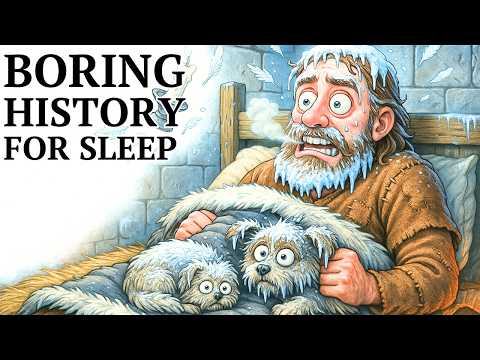
Castles, while marvels of defense, were not designed for comfort. The thick stone walls that protected against invaders also trapped cold air, creating an environment that felt more like a refrigerator than a home. As night fell, temperatures inside plummeted, often leading to frost forming on the interior surfaces. Travelers from the late medieval period noted the shock of waking up to icicles hanging from bed curtains or finding wash basins frozen solid.
Despite the inhospitable conditions, medieval inhabitants developed various strategies to keep warm at night. Here are some of the most common methods:
As night approached, households would layer their clothing, often wearing multiple garments to trap warmth. The bed itself was a crucial element in this battle against the cold. Beds were raised high off the ground to escape the coldest air, and heavy blankets made from wool or fur were used to insulate against the chill. Some even shared beds with companions or animals to maximize warmth.
Fireplaces were central to life in a medieval castle, providing the only source of heat. However, even a roaring fire in the great hall could only warm the immediate area. The heat dissipated quickly, and as one moved away from the flames, the cold returned. The great hall was often the only space where heating was somewhat effective, and gatherings during winter months were strategically timed to maximize warmth from body heat and fire.
To combat the cold, medieval people created microclimates within their living spaces. This involved banking fires, drawing curtains around beds, and using tapestries to insulate walls. The bed curtains, often made from heavy fabric, helped trap body heat, turning the bed into a small, warm cocoon amidst the cold stone chamber.
Survival was often a communal effort. Families would huddle together in small spaces, sharing body heat. Monks and soldiers slept in rows, maximizing warmth through proximity. Even animals, particularly dogs, were welcomed into beds for their warmth, illustrating the importance of companionship in the fight against the cold.
The cold was not just a physical challenge; it also had psychological effects. Medieval people often dreaded the moment they had to leave the warmth of their beds in the morning. The fear of frostbite and illness loomed large, and many relied on rituals and superstitions to ward off the cold. Hanging amulets, reciting prayers, and using herbs were common practices believed to protect against the chill.
What one consumed before bed also played a significant role in combating the cold. Hearty meals, such as thick stews, provided warmth from within. Warm drinks, like spiced wine or ale, were common before sleep, helping to create a sense of internal warmth that made the cold night more bearable.
Children and the elderly were particularly vulnerable to the cold. Families took extra care to keep them warm, often placing them close to the fire or clustering them together in beds. The fear of losing a child to the cold was a constant worry for medieval parents, and special measures were often taken to ensure their safety during the harsh winter nights.
Sleeping in a medieval castle was a complex interplay of comfort, community, and ingenuity. The strategies employed to survive the cold reveal much about the resilience of medieval people. They transformed their living spaces into havens of warmth, relying on layered clothing, communal living, and the flickering light of the hearth to fend off the chill. As we lie in our modern, warm beds tonight, let us remember the struggles of those who came before us, who faced the relentless cold with creativity and determination.



















