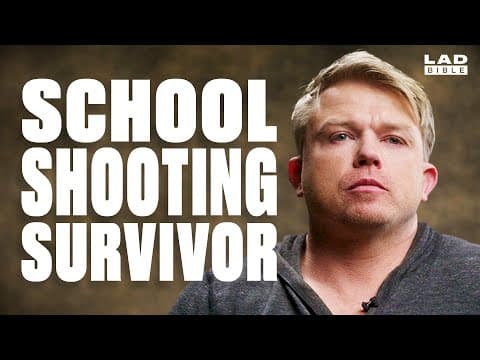
This blog post recounts a survivor's harrowing experience during the Columbine High School massacre, detailing the events of that day, the loss of his sister Rachel, and the journey of healing and forgiveness that followed. It explores themes of trauma, the impact of violence, and the importance of remembering loved ones while advocating for positive change.
On April 20, 1999, the Columbine High School massacre shocked the nation and changed the landscape of school safety forever. This blog post recounts the harrowing experience of a survivor who faced unimaginable terror that day, the loss of his sister Rachel, and the journey of healing and forgiveness that followed.
The day began like any other spring day in Littleton, Colorado. The survivor recalls a typical morning filled with sibling rivalry and the mundane worries of a teenager. He had just finished an argument with his sister Rachel over the radio station in the car, unaware that it would be the last time he would see her alive.
As he arrived at school, the atmosphere was deceptively peaceful. The beauty of the Colorado Rocky Mountains provided a stark contrast to the chaos that was about to unfold. After attending classes, he headed to the library to study for a biology test, unaware of the impending danger.
Suddenly, the sound of popping noises filled the air. Initially dismissed as a prank, the reality of gunfire soon became apparent. A frantic teacher rushed into the library, urging students to hide. The survivor, along with his friends, took cover under a table as the chaos erupted around them.
The two shooters entered the library, treating the horrific scene as a game. They taunted students, made jokes, and began shooting indiscriminately. The survivor witnessed the brutal murder of his friends, including Isaiah, who begged to see his mother in his final moments. The fear was paralyzing, and the survivor remained silent, hoping to avoid detection.
After what felt like an eternity, the shooters left the library. The survivor emerged from his hiding place, only to find a scene of devastation. He helped a girl who had been severely injured and led a group of students to safety behind a police car. Just moments later, the shooters returned, exchanging gunfire with the police, highlighting the urgency of their escape.
In the chaos, the survivor was unaware that he had seen his sister Rachel, who had been shot outside the school. After being picked up by police, he called his mother to reassure her that he was safe, but the weight of uncertainty about Rachel hung heavily in the air. The next morning, the devastating news arrived: Rachel was the first victim of the shooting.
In the days following the massacre, the survivor and his family were inundated with support from the community. Their home became a gathering place for friends and family, filled with love and sympathy. However, the survivor struggled with feelings of disassociation, trying to process the trauma he had experienced.
As time passed, the survivor learned more about the shooters, Eric Harris and Dylan Klebold. Their motivations were complex, rooted in a mix of personal struggles and dark influences. The survivor grappled with the media's portrayal of the shooters as victims, which fueled his anger and frustration.
Eventually, the survivor chose to forgive the shooters, a process that was not easy but necessary for his healing. He found inspiration in the story of a man he met during a mission trip to Africa, who had lost his entire family yet chose to live with joy and forgiveness. This encounter helped the survivor understand that holding onto anger only perpetuates pain.
In the wake of the Columbine tragedy, discussions about gun control have become increasingly prevalent. The survivor acknowledges the complexity of the issue, advocating for legislation that makes it harder for unstable individuals to access firearms while emphasizing that the root causes of violence must also be addressed.
The survivor reflects on how he keeps Rachel's memory alive. He talks to her in moments of solitude, sharing his life experiences and hoping to make her proud. Her story has become a driving force in his life, motivating him to create a positive impact in the world.
The Columbine High School massacre remains a pivotal moment in American history, serving as a reminder of the fragility of life and the importance of compassion and understanding. The survivor's journey from trauma to forgiveness illustrates the resilience of the human spirit and the power of love in the face of unimaginable loss. Through sharing his story, he honors Rachel's memory and advocates for a future free from violence.