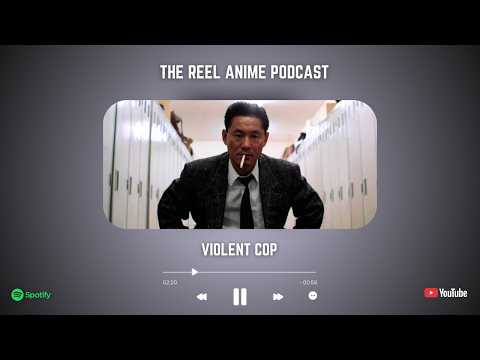
Violent Cop, Takeshi Kitano's directorial debut, is a unique Japanese crime film that masterfully blends comedy, violence, and stunning cinematography. The film's unpredictable tone shifts from dry comedy to dark thriller, showcasing Kitano's artistic vision and storytelling prowess. Despite initial mixed reactions, Violent Cop remains a highly rewatchable and influential film in Japanese cinema.
Welcome to a deep dive into Takeshi Kitano's film Violent Cop, a movie that defies easy categorization and stands as a testament to Kitano's unique vision as a filmmaker and actor. This article explores the film's themes, style, and impact, drawing from a detailed discussion by Monish and Louis on the Real Anime Podcast.
Before delving into Violent Cop, the hosts pay tribute to the late Chuck Norris, an iconic martial artist and action star known for his legendary feats and roles alongside Bruce Lee. Norris's passing marks the end of an era in action cinema, and his influence is acknowledged as a backdrop to discussing an action film like Violent Cop.
Violent Cop is Takeshi Kitano's directorial debut, in which he also stars as Detective Azuma, a complex character who operates on the edge of the law. Azuma is essentially a criminal with a badge, enforcing his own brand of justice that is often violent and extralegal.
Initially, the film might mislead viewers expecting a lighthearted police comedy akin to Naked Gun. However, Violent Cop quickly reveals itself to be far darker and more complex, blending dry humor with stark violence.
The film opens with a memorable and intense scene where Azuma forcibly extracts a confession from a high school student who had abused a homeless man. This scene sets the tone for Azuma's character—unpredictable, violent, and operating outside legal boundaries.
The first hour of the film carries a comedic undertone, with Azuma portrayed as a gruff, somewhat indifferent cop who drinks heavily and treats his rookie with a mix of disdain and mentorship. However, after the hour mark, the tone shifts dramatically into a darker, more thriller-like atmosphere. The comedy becomes more sadistic, and the violence more raw and gritty.
This tonal shift is a storytelling technique that showcases Kitano's mastery in blending genres and emotions, creating a film that is both entertaining and thought-provoking.
One of the most striking aspects of Violent Cop is its cinematography. Despite being a film with comedic elements, it features beautifully composed shots that rival those of serious crime dramas and thrillers.
Kitano's use of wide shots, hallway framing, and intense close-ups creates a visual language that enhances the film's mood and themes. The cinematography evolves alongside the story—from more static, tripod-locked shots during comedic scenes to dynamic handheld and moving shots as the film grows darker.
This evolution reflects Kitano's self-awareness as a filmmaker and his ability to use visual storytelling to complement the narrative.
Louis, one of the podcast hosts, rewatched Violent Cop within 24 hours of his first viewing, a rare occurrence for him. His motivation was to better understand the story and dialogue, especially given the challenges of subtitles and language barriers.
The film's humor and emotional impact transcend language, as even without subtitles, the audience can grasp the tone and intent through Kitano's performance and the film's visual cues.
A particularly memorable scene involves Azuma confronting a man at a hospital about his responsibilities toward a pregnant woman. The absurdity and bluntness of the dialogue, combined with Azuma's unexpected violence, create a moment that is both funny and unsettling.
Upon its release in 1989, Violent Cop received mixed reactions, with some viewers finding it too violent or too slow. However, over time, it has been recognized as the starting point of Takeshi Kitano's distinctive style and a significant influence on Japanese crime cinema.
Kitano, originally known as a comedian, brought a fresh perspective to the genre, blending humor with serious themes and artistic filmmaking. His later works, such as Sonatine and Fireworks, continue this tradition.
Violent Cop is a must-watch for fans of police comedies, crime dramas, and Japanese cinema. It offers a unique blend of dry humor, intense violence, and stunning cinematography that keeps viewers engaged from start to finish.
Detective Azuma's character is compelling in his contradictions—violent yet principled in his own way, laconic yet expressive through actions. The film's storytelling and visual style make it highly rewatchable and rewarding.
Whether you enjoy the slapstick humor of Naked Gun or the gritty thrillers of Japanese cinema, Violent Cop provides a fresh and unforgettable experience.
Takeshi Kitano's Violent Cop stands as a landmark film that challenges genre conventions and showcases the director's multifaceted talents. Its blend of comedy, violence, and cinematic artistry creates a film that is both entertaining and profound.
For those interested in exploring Japanese cinema or looking for a film that defies expectations, Violent Cop is an essential watch. Its enduring appeal and influence make it a classic worth revisiting.
So grab your friends, family, or even your pets, and experience the unique world of Violent Cop. You won't regret it.
This article is based on insights from the Real Anime Podcast episode discussing Violent Cop and the legacy of Takeshi Kitano.