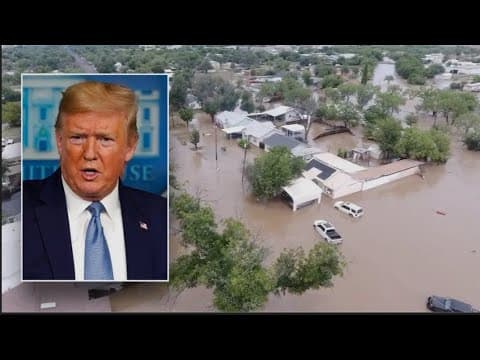
The recent floods in Texas have led to a tragic rise in the death toll, prompting discussions about the causes and political blame, particularly directed at former President Trump. This blog explores the events surrounding the floods, the implications of weather forecasting, and the reactions from various political factions.
The recent floods in Texas have resulted in a heartbreaking increase in the death toll, with many families mourning the loss of loved ones. As the situation unfolds, discussions have emerged regarding the causes of the flooding and the political ramifications, particularly concerning former President Donald Trump. This blog post aims to unpack the events surrounding the floods, the implications of weather forecasting, and the reactions from various political factions.
As the floodwaters rose, many families faced unimaginable losses. It is essential to take a moment to acknowledge the grief experienced by those who have lost children, spouses, and family members. In times of tragedy, it is crucial to extend thoughts and prayers to those affected, as they navigate the aftermath of such devastating events.
In the early stages of the flooding, the death toll was reported to be low. However, as more information became available, it became clear that the situation was dire. The rapid rise in water levels, with reports of up to 40 feet of water in just a couple of hours, left many questioning how such a catastrophic event could occur so suddenly.
The initial response from the media and the public was mixed, with some questioning why certain individuals had not reported on the situation sooner. The complexity of the unfolding events led to a delay in comprehensive reporting, as new information emerged almost hourly.
One of the critical aspects of the flooding was the role of weather forecasting. Many individuals expressed confusion over how the storm developed and why it was misforecasted. Reports indicated that the storm had hovered over certain areas, leading to unprecedented rainfall. The National Weather Service had predicted anywhere from 0 to 12 inches of rain, but the reality was far more severe.
This situation raised questions about the accuracy of weather predictions and the capabilities of forecasting agencies. Some individuals began to speculate about the potential influence of weather modification techniques, such as cloud seeding, which are sometimes employed to increase precipitation in drought-stricken areas.
As the death toll rose, political blame began to surface. Some individuals pointed fingers at former President Trump, alleging that his administration's cuts to national weather forecasting agencies and FEMA funding contributed to the disaster. Critics argued that these cuts hindered the ability of agencies to respond effectively to such extreme weather events.
However, this line of reasoning sparked significant debate. Many questioned whether it was fair to hold Trump accountable for the actions of weather agencies, especially when the forecasting failures were attributed to the unpredictable nature of severe weather. The argument that Trump was to blame for the flooding became a contentious topic, with some asserting that it was merely a political tactic to deflect responsibility.
The public's reaction to the floods and the subsequent blame game was varied. Some individuals expressed outrage at the politicization of a tragedy, arguing that it was inappropriate to assign blame when lives were lost. Others took to social media to voice their opinions, with some making inflammatory statements about the victims based on their perceived political affiliations.
One particularly disturbing incident involved a nurse who made a post suggesting that those who voted for Trump deserved the tragedy that befell them. Such comments were met with widespread condemnation, as many felt it was unacceptable to celebrate or politicize the loss of life.
In the face of such tragedy, it is vital to remember the human aspect of these events. Regardless of political beliefs, the loss of life is a profound tragedy that should unite us in compassion rather than division. The focus should be on supporting those affected and ensuring that such disasters are met with appropriate responses and resources.
The Texas floods have highlighted the complexities of weather forecasting, the unpredictability of nature, and the often divisive nature of political discourse. As the situation continues to develop, it is essential to prioritize empathy and support for those who have suffered losses. While discussions about accountability and responsibility are necessary, they should not overshadow the need for compassion in the wake of tragedy.
As we reflect on these events, let us extend our thoughts and prayers to the families affected by the floods and work towards a more united response to such disasters in the future.