Central Texas faces devastating flooding with 82 confirmed dead and 41 unaccounted for. The rapid rise of the Guadalupe River raises questions about the effectiveness of flood warnings and community preparedness. Local residents reflect on their experiences and the challenges faced during the disaster response.
In early July, Central Texas experienced catastrophic flooding that left a profound impact on the community. With 82 confirmed dead and 41 individuals still unaccounted for, the disaster has raised critical questions about the effectiveness of flood warnings and the preparedness of residents. This blog post delves into the events surrounding the flooding, the response from emergency services, and the reflections of local residents.
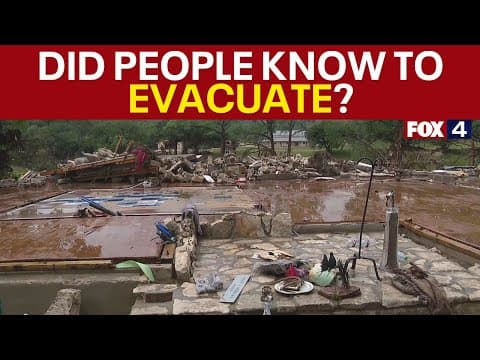
The flash flooding occurred in the early hours of July 4th, when the Guadalupe River rose more than 20 feet in less than an hour. This rapid increase in water level caught many residents off guard, leading to tragic consequences. The hardest-hit area was Kerr County, where 68 of the confirmed fatalities occurred. The community is now grappling with the aftermath, as emergency services continue to search for missing persons, including campers and a counselor from Camp Mystic.
Brandon Todd, a reporter on the scene, provided live coverage from Kerr County, highlighting the extensive damage along the banks of the Guadalupe River. The river, which had receded, left behind a trail of debris and destruction. Todd noted that the damage extended for miles, with trees uprooted and homes affected by the floodwaters.
Chief Nim Kidd from the Texas Division of Emergency Management addressed the media regarding the flood warnings issued prior to the disaster. He emphasized that while alerts were sent out, the effectiveness of these warnings was compromised by factors such as lack of cell phone coverage. He pointed out that having a plan in place is crucial, but it is equally important for residents to receive and act upon the warnings.
Many residents expressed their disbelief at the severity of the flooding. Some shared their experiences of receiving flood warnings, noting that they had become accustomed to such alerts over the years. One resident mentioned that he had heard warnings before and had seen the river rise in the past, leading him to believe that the situation would not escalate to such dangerous levels. This mindset contributed to a false sense of security, resulting in many being unprepared when the flooding occurred.
The situation in Kerr County serves as a stark reminder of the importance of preparedness in the face of natural disasters. While warning systems are in place, the community's response is heavily reliant on individual awareness and readiness to act. The tragic loss of life underscores the need for improved communication and education regarding emergency protocols.
As the community begins to recover from the devastation, efforts are underway to clear roads and bridges obstructed by debris. Law enforcement, firefighters, and military personnel are actively involved in rescue operations and assisting those affected by the flooding. The emotional toll on the community is significant, with families mourning their losses and grappling with the aftermath of the disaster.
The flooding in Central Texas has highlighted critical issues surrounding emergency preparedness and community response. As residents reflect on their experiences, it is clear that there is a need for better communication and education regarding flood warnings and safety measures. Moving forward, it is essential for communities to learn from this tragedy to enhance their resilience against future natural disasters. The road to recovery will be long, but with collective effort and improved preparedness, the community can rebuild and emerge stronger than before.