This article explores the controversies and unanswered questions surrounding the 9/11 attacks, focusing on the collapse of World Trade Center Building 7, suspicious financial activities before the attacks, and the role of foreign intelligence agencies. It highlights the lack of thorough investigations and calls for a new independent inquiry to uncover the truth.
The tragic events of September 11, 2001, have been the subject of intense scrutiny, debate, and numerous conspiracy theories. This article delves into some of the most pressing questions and controversies that have persisted over the past two decades, focusing particularly on the collapse of World Trade Center Building 7, suspicious financial activities preceding the attacks, and the involvement of foreign intelligence agencies.
In the aftermath of the attacks, several actions taken by the U.S. government have fueled conspiracy theories. These include:
Such actions have led many to question the official story and focus on the government's possible role in facilitating the attacks.
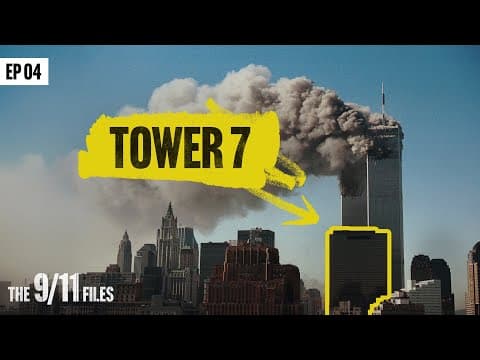
One of the most puzzling aspects of 9/11 is the collapse of Building 7, a 47-story steel-frame high-rise located about a football field away from the North Tower. Unlike the Twin Towers, Building 7's collapse was not caused by a plane impact but occurred at 5:20 p.m. on the same day.
The 9/11 Commission Report, spanning 577 pages, does not provide an explanation for Building 7's collapse. This omission has led to widespread speculation and skepticism.
Building 7 housed critical agencies including:
The destruction of records and equipment in Building 7 raises questions about what information was lost.
Official Explanation: FEMA and NIST concluded that fires ignited by debris from the North Tower caused structural failure due to thermal expansion of steel beams, leading to a progressive collapse.
Skeptical Views: Some structural engineers and independent researchers argue that the collapse resembled a controlled demolition, citing the symmetrical fall and freefall acceleration.
Independent Study: Professor Leroy Hulsey and his team found that fires could not have caused the failure of the critical girder, and the collapse was more consistent with a total failure rather than progressive collapse.
The 9/11 Commission Report notes a surge in put options—investments that profit when stock prices fall—against United Airlines and American Airlines just days before the attacks. Notably:
These unusual trading patterns suggest that some individuals or entities may have had foreknowledge of the attacks.
Evidence suggests that several foreign intelligence agencies, including those of Germany, Israel, Saudi Arabia, and the United Kingdom, may have had detailed prior knowledge of the attacks.
Many critical questions remain unanswered, including:
The 9/11 Commission failed to address many of these questions, leading to widespread distrust.
The 9/11 attacks resulted in nearly 3,000 deaths, with hundreds of thousands more dying in the ensuing years due to the U.S. response. The attacks led to:
While many suffered, some entities profited from the aftermath, a topic explored in subsequent analyses.
The events of 9/11 continue to raise profound questions about government transparency, intelligence failures, and the true nature of the attacks. A new, truly independent investigation is necessary to uncover the full truth and provide answers to the American public. Only through such inquiry can trust be restored and lessons learned to prevent future tragedies.
This article is based on extensive research, primary source documents, interviews with intelligence officials, and contemporary news reports to provide a comprehensive overview of the controversies surrounding 9/11.