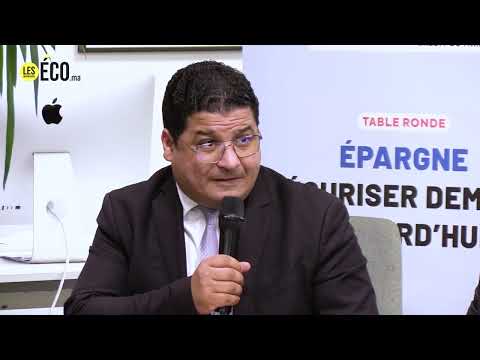
Mehdi El Fakir discusses the importance of saving in Morocco, highlighting its role as a safety net, its long-term benefits, and the various government incentives that promote savings. He emphasizes the need for a cultural shift towards saving, especially among younger generations, to ensure economic stability and personal financial security.
Saving is not just a financial strategy; it is a crucial component of economic stability and personal security. In Morocco, the importance of saving is underscored by various factors that contribute to both individual well-being and broader economic health. Mehdi El Fakir provides a comprehensive analysis of the advantages of saving in Morocco, emphasizing its role as a safety net and a means to secure future projects.
Saving serves as a cushion of security for individuals and families. It acts as a social safety net that provides financial stability in times of need. This long-term perspective on saving is essential for financing future projects and ensuring that individuals are prepared for unforeseen circumstances.
El Fakir highlights the importance of structured savings plans that are well-prepared and planned. These savings are not merely about setting aside money; they involve strategic investments aimed at achieving specific future goals. The Moroccan government has recognized this need and has introduced various tax incentives to encourage savings.
The Moroccan legislator has implemented fiscal incentives for savings products, which are particularly attractive. These include:
These incentives aim to defiscalize contributions under certain conditions, thereby encouraging individuals to save more. The overarching goal is to channel savings into the financial system, which can then be recycled into the economy through various financing mechanisms.
El Fakir argues that savings are a significant lever for socio-economic development. By providing a safety net for households, savings help alleviate pressure on public authorities regarding future planning. For instance, as Morocco expands its social coverage, the existing basic regimes may not fully satisfy the needs of the population. Therefore, complementary savings regimes become essential.
The current basic regime operates on a redistribution model, which is not sustainable in the long term. In contrast, savings products based on capitalization offer personalized investment opportunities. This shift allows individuals to tailor their savings according to their specific needs and circumstances.
Despite the advantages of saving, El Fakir expresses concern about the cultural attitudes towards saving, particularly among younger generations. Today’s youth are often more consumer-oriented, which can hinder their ability to save. This cultural shift is crucial; without it, the capacity for saving may diminish.
While the potential for savings exists, and the market offers various personalized solutions, the challenge lies in instilling a culture of saving. El Fakir emphasizes the importance of educating the younger generation about the benefits of saving and the long-term advantages it brings.
In conclusion, saving in Morocco is not just a personal financial strategy; it is a vital component of the country’s economic framework. With government incentives and a growing awareness of the importance of savings, there is a significant opportunity for individuals to secure their financial futures. However, fostering a culture of saving, particularly among the youth, remains a critical challenge that must be addressed to ensure sustainable economic growth and personal financial security.