
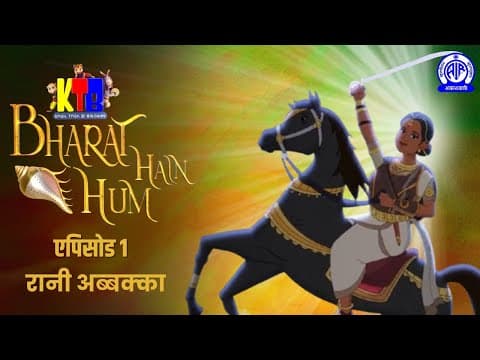
Rani Abbakka, the queen of Ullal in the 16th century, fiercely resisted Portuguese colonial forces, showcasing her leadership and bravery. Her story is a testament to the spirit of resistance and cultural pride in India, inspiring generations through festivals and folklore.
In the rich tapestry of Indian history, the stories of valor and resistance against colonial powers stand out. One such remarkable figure is Rani Abbakka, the queen of Ullal, who ruled in the 16th century. This blog post delves into her life, her struggles against the Portuguese forces, and her enduring legacy.
In the 16th century, the Indian western coastline, particularly the Karnataka region, was a hub of trade. The Chouta dynasty ruled over Ullal, a small principality known for its thriving trade relations with the Ottoman Empire. Indian spices, gold, pearls, and cotton were highly sought after in the Ottoman markets, making Ullal a significant player in the trade network.
Rani Abbakka, also known as Aakka Devi, was not just a ruler but a beloved leader who preferred to spend time among her subjects rather than in the confines of her palace. Her connection with the people of Ullal was profound, and they admired her for her dedication and leadership.
However, her husband, Maharaja Lakshm, was often at odds with her decisions, particularly regarding the growing threat from the Portuguese forces. While he advocated for a diplomatic approach, Rani Abbakka believed in standing firm against the colonial invaders.
The Portuguese, initially seen as traders, soon revealed their true intentions as they began to attack coastal regions. They captured the fort at Mangalore and threatened the smaller states like Ullal. Rani Abbakka recognized that the Portuguese could never be trusted and decided to take a stand against them.
When the Portuguese forces attacked Ullal's ships, capturing their commander and plundering their goods, Rani Abbakka sent a bold message demanding the return of her people and compensation for the losses. This act of defiance marked the beginning of her resistance.
As the Portuguese forces, led by Captain Riberio, continued their aggression, Rani Abbakka prepared her army for battle. She vowed to protect her kingdom and uphold her promise to her mother, Maharani Hiriyamma. The ensuing battle was fierce, with Rani Abbakka's forces ultimately defeating the Portuguese, reclaiming their territory and captured goods.
The victory was not just a military success but a significant morale booster for the people of Ullal. Rani Abbakka's leadership and strategic prowess became legendary, inspiring her subjects and instilling a sense of pride in their heritage.
Despite the initial defeat, the Portuguese did not relent. They launched another attack with a larger force, but Rani Abbakka was prepared. Utilizing innovative tactics, she set fire to coconut shells and launched flaming arrows at the enemy ships, preventing them from reaching the shores of Ullal.
For four days, Rani Abbakka and her forces fought valiantly, ensuring that the Portuguese could not establish their rule over Ullal. Her bravery and determination became a symbol of resistance against colonial oppression.
Rani Abbakka's legacy lives on in the cultural memory of Karnataka. Her story is celebrated through folk dances and festivals, particularly the Aakka Mahadevi Festival, which honors her contributions and valor. The Rani Abbakka Award is also presented annually to recognize women who achieve excellence in various fields, continuing her spirit of empowerment.
Rani Abbakka's story is not just a tale of resistance; it is a celebration of courage, leadership, and cultural pride. Her legacy serves as an inspiration for future generations, reminding us of the importance of standing up against oppression and valuing our heritage. As we reflect on her life, we are reminded that the spirit of Rani Abbakka lives on in every Indian heart, echoing the sentiment that Bharat Hain Hum.



















