
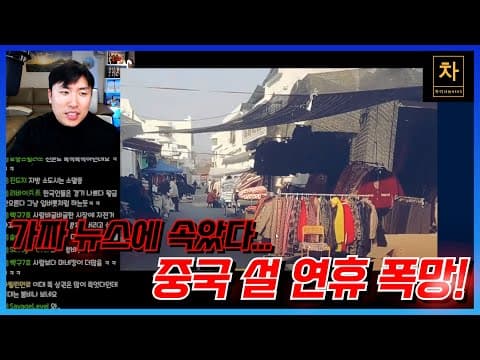
This blog post explores the significant changes in the Lunar New Year celebrations in China, highlighting the economic struggles faced by citizens, the decline in traditional festivities, and the impact of government policies on people's lives.
The Lunar New Year, a time of joy and celebration in China, has seen significant changes in recent years. Traditionally marked by family gatherings, festive shopping, and vibrant celebrations, the current atmosphere reflects a stark contrast due to economic challenges and shifting societal norms. This post delves into the evolving nature of the Lunar New Year in China, examining the reasons behind these changes and their implications for the Chinese populace.
Lunar New Year, also known as Spring Festival, is one of the most important holidays in China. It is a time for families to reunite, celebrate, and honor traditions. The holiday is characterized by various customs, including the giving of red envelopes (Hongbao) filled with money, setting off fireworks, and enjoying special meals like dumplings. Historically, this period was marked by a sense of prosperity and community bonding.
In recent years, many Chinese citizens have faced pay cuts and economic hardships, leading to a decline in spending during the Lunar New Year. The once-bustling markets are now eerily quiet, with reports of empty streets and deserted train stations during what should be a peak travel season. The traditional practice of gathering with family and friends has been overshadowed by financial constraints, causing many to forgo celebrations altogether.
Government policies have also played a role in shaping the current landscape of the Lunar New Year. Restrictions on fireworks and shorter vacation periods have diminished the festive atmosphere. The competitive nature of the job market has forced many to prioritize work over family gatherings, leading to a more individualistic society. As a result, the communal spirit that once defined the holiday is fading.
The decline in traditional customs is evident in the way people approach the holiday. In the past, families would prepare elaborate meals and exchange gifts, but now many struggle to afford even the basics. The practice of giving red envelopes has become a source of anxiety for young adults who feel pressured to contribute financially despite their own economic struggles. The fear of not being able to meet familial expectations has led some to avoid returning home altogether.
Travel during the Lunar New Year has historically been characterized by mass migrations as people return to their hometowns. However, this year, reports indicate a significant drop in travel activity. Many are opting for cheaper, longer train journeys instead of high-speed rail due to the high costs associated with the latter. This shift reflects a broader trend of financial caution among the populace.
Social media has become a platform for citizens to express their frustrations and share their experiences during this year's Lunar New Year. Videos and posts depicting empty markets and quiet streets have gone viral, contrasting sharply with the government's optimistic projections of travel and spending. The disconnect between official narratives and the lived experiences of citizens has sparked discussions about the state of the economy and the government's role in addressing these issues.
Many individuals have taken to social media to share their stories of hardship. Young adults, in particular, express feelings of shame and inadequacy when faced with the realities of their financial situations. The pressure to provide for family during the holiday, coupled with job insecurity, has created a sense of despair among the youth. The sentiment that this year's Lunar New Year is the worst in recent memory is echoed across various platforms.
The changing landscape of the Lunar New Year in China reflects broader economic and social challenges faced by its citizens. As traditional customs fade and the spirit of community diminishes, the holiday that once symbolized prosperity and togetherness now serves as a reminder of the struggles many endure. The future of Lunar New Year celebrations remains uncertain, as the interplay between economic realities and cultural traditions continues to evolve. The voices of the people, amplified through social media, highlight the urgent need for change and support in these challenging times.



















