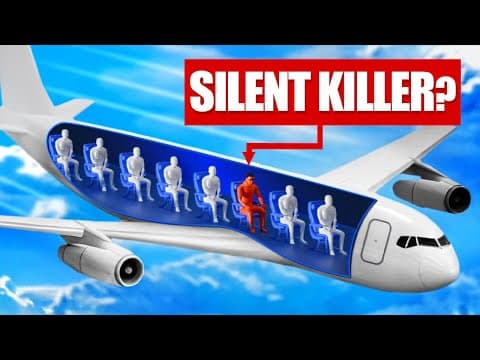
On July 11, 1973, Varig Flight 820 tragically became a death trap due to a small fire ignited by a cigarette in the lavatory. Despite a successful crash landing, 123 passengers died from toxic smoke inhalation. This disaster exposed critical design flaws in aircraft safety systems, leading to significant changes in aviation regulations. Captain Gilberto Ajo Dilva's heroic efforts saved 11 lives, but the tragedy remains a stark reminder of the vulnerabilities in air travel.
On July 11, 1973, a seemingly routine flight turned into one of aviation's most tragic disasters. Varig Flight 820, a Boeing 707, was en route from Rio de Janeiro to Paris with a stop in Lima. What began as a calm journey quickly escalated into chaos, leading to the deaths of 123 passengers due to a small fire ignited by a cigarette. This incident not only highlights the dangers of smoking on planes but also exposes critical design flaws in aircraft safety systems that have since been addressed.
As passengers boarded Varig Flight 820 at Rio de Janeiro's Galo International Airport, they were relaxed and unaware of the impending disaster. Among them were notable figures, including Brazilian musician Agugustino dos Santos and Felinto Müller, the president of Brazil's upper house, celebrating his 73rd birthday. The aircraft, a Boeing 707 320C, had a solid safety record, and the crew was experienced, led by Captain Gilberto Ajo Dilva, who had nearly 18,000 flight hours.
In 1973, smoking was not only permitted on flights but expected. Every armrest had an ashtray, and passengers lit up without a second thought. At 11:30 p.m., the flight took off, and as night turned to morning, passengers dozed off, blissfully unaware of the fatal flaw that would soon unfold.
As the aircraft approached Paris Orly Airport, the situation took a dire turn. At 1:58 p.m. Paris time, a flight attendant noticed smoke emanating from the rear lavatory. The crew quickly alerted the pilots, who radioed the ground about the fire on board. The situation escalated rapidly, and the crew attempted to locate the source of the smoke, which was thickening and becoming increasingly difficult to manage.
Passengers in the rear of the cabin began to cough and struggle to breathe as the smoke spread. The crew's attempts to extinguish the fire were hampered by the lack of visibility and the toxic nature of the smoke, which was not ordinary but rather a deadly combination of gases.
As panic spread, passengers expected oxygen masks to drop from the ceiling, but they never came. In 1973, aircraft oxygen systems were not designed to handle smoke emergencies. The ventilation system, intended to keep passengers comfortable, inadvertently circulated the toxic smoke throughout the cabin. Within minutes, carbon monoxide levels soared, rendering many passengers unconscious without them realizing what was happening.
In the cockpit, the situation was deteriorating. The flight engineer's actions to cut electrical systems made instruments unreliable, and smoke began to fill the cockpit. Captain Dilva realized they would not reach the runway and made the critical decision to attempt an emergency landing in an onion field ahead.
As Varig Flight 820 descended, the cabin grew eerily quiet. The toxic fumes were overwhelming, and the crew struggled to maintain control. At 4:03 p.m., the aircraft made its final approach, skimming over trees before crashing into the field. The impact was devastating, ripping off the landing gear and causing the fuselage to collapse. Remarkably, the main cabin section remained intact.
When emergency crews arrived, they expected to find survivors, but instead, they were met with a haunting silence. Inside the cabin, 123 passengers were lifeless, victims of carbon monoxide poisoning. Only 11 people survived, including 10 crew members and a single passenger, Ricardo Trano.
The investigation revealed that the fire had originated from a cigarette discarded in the lavatory waste bin. The bin, made of flammable plastic, ignited the papers inside, creating a smoldering fire that released hydrogen cyanide and carbon monoxide. The aircraft's ventilation system exacerbated the situation by distributing the toxic smoke throughout the cabin.
The carbon monoxide levels reached over 1,500 parts per million, enough to cause unconsciousness in just a few breaths. The oxygen masks, which could have been lifesaving in other emergencies, were ineffective against the toxic smoke.
The tragedy of Varig Flight 820 forced the aviation industry to confront serious questions about safety. It highlighted the vulnerabilities of aircraft design and the need for improved safety measures. In response, regulations were implemented, leading to the installation of lavatory smoke detectors, fireresistant waste bins, and advanced air management systems in modern aircraft.
Captain Dilva's skillful crash landing saved 11 lives, but the tragedy remains a stark reminder of the potential dangers of air travel. Each year, a small ceremony is held near the crash site, now a field of onions, to honor the lives lost and the lessons learned from this disaster.
The Varig Flight 820 disaster serves as a chilling reminder of how a single cigarette can lead to catastrophic consequences. It underscores the importance of stringent safety regulations in aviation, which are often written in blood. As we reflect on this tragedy, we must remain vigilant in ensuring that such incidents never happen again, honoring the memory of those who lost their lives in the process.