In July 1976, 26 children and their bus driver were kidnapped in Chowchilla, California, leading to a harrowing ordeal of survival underground. The story explores the kidnapping, the children's escape, the subsequent investigation, and the long-term effects of trauma on the survivors and their families.
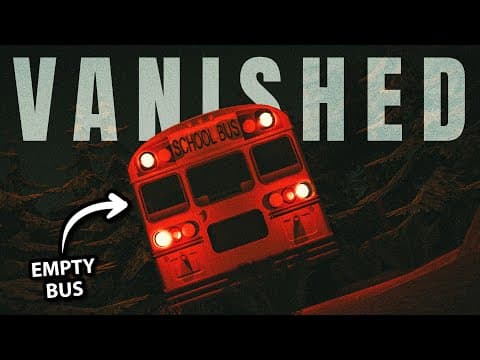
On July 15, 1976, an empty school bus was discovered in a bamboo thicket near Chowchilla, California. The bus was supposed to be transporting 26 children and their driver, Ed Ray, home from a day of swimming. Instead, it was found abandoned, with no sign of the children or any clues as to their whereabouts. This marked the beginning of one of the most shocking kidnapping cases in American history.
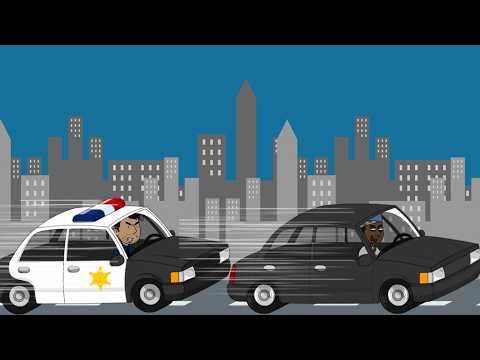
The day began like any other for the children of Dairyland Elementary School, who were enjoying a summer program at a local pool. However, the routine took a terrifying turn when Ed Ray, the bus driver, encountered a white van blocking the road. As he slowed to a stop, three armed men emerged, wearing pantyhose over their heads to conceal their identities. They forced Ed and the children into a nightmare scenario.
Ed faced a critical decision: comply with the armed men to protect the children or risk their safety by refusing. He chose to open the door, hoping to de-escalate the situation. The men quickly took control of the bus, forcing Ed to the back while they drove the children into the unknown.
The bus was driven off the road and into a dense thicket, where the kidnappers ordered the children to line up and transfer into a waiting van. The van was modified to be a mobile prison, with blacked-out windows and soundproofing, ensuring that the children could not call for help. Once inside, they were locked in, with no ventilation or light, and the heat of July began to take its toll.
As the children cried and banged on the walls, Ed Ray tried to keep them calm, but the situation was dire. They had been missing for hours, and as night fell, their parents began to panic. The small community of Chowchilla sprang into action, organizing search parties and contacting law enforcement.
When the bus did not return, parents quickly realized something was wrong. The sheriff's department dispatched planes to search the area, but the bus was hidden well, and no leads were found. After 11 agonizing hours, the children were still missing, and the community was gripped by fear and uncertainty.
Finally, a search plane discovered the bus, but it was empty. The investigation revealed that the children had been kidnapped, leading to a massive manhunt. The FBI was called in, and the entire nation watched as the search for the missing children intensified.
Meanwhile, the children were trapped in a buried trailer, struggling to breathe as dirt piled on top of them. Ed Ray worked tirelessly to keep their spirits up, but the conditions were horrific. They were in complete darkness, with no food or water, and the heat was unbearable. As time passed, the children began to lose hope.
After 16 hours underground, the situation became critical. The roof of the trailer began to cave in, and the children feared they would be buried alive. In a desperate bid for survival, 14-year-old Michael Marshall led the charge to escape. Using mattresses to reach the hatch, he and Ed managed to push it open, revealing a way out.
As the children climbed out of the trailer, they were met with a barren landscape, unsure if their kidnappers were nearby. However, they soon encountered a man who had been searching for them. He contacted the authorities, and within minutes, the children were rescued and taken to safety.
The ordeal lasted nearly 32 hours, and the children were finally reunited with their families. The town of Chowchilla celebrated their return, but the trauma of the experience would linger long after the initial relief.
The investigation into the kidnapping quickly focused on three young men: Frederick Woods and the Shonfeld brothers, James and Richard. They were from wealthy families and had plotted the kidnapping as a way to secure ransom money. Their plan, however, fell apart when the children escaped before any ransom could be demanded.
Authorities uncovered a chilling collection of evidence, including detailed plans for the kidnapping and a ransom note. The three men were arrested and charged with multiple counts of kidnapping.
During the trial, the children bravely recounted their harrowing experiences. The evidence against the kidnappers was overwhelming, and they were sentenced to life in prison without the possibility of parole. However, the legal battles were far from over.
Years later, the kidnappers appealed their sentences, arguing that they had not caused bodily harm to the children. This led to a re-evaluation of their sentences, and they were eventually granted parole, much to the dismay of the survivors.
The Chowchilla kidnapping had lasting effects on the children. Many struggled with anxiety, depression, and PTSD. They faced challenges in their personal lives, and the trauma of their experience continued to haunt them.
Ed Ray, the bus driver, became a beloved figure in the community for his bravery. He passed away in 2012, leaving behind a legacy of heroism. The children, now adults, have taken different paths in life, with some finding ways to cope and heal, while others continue to battle the scars of their past.
The Chowchilla kidnapping remains a significant case in American history, highlighting the psychological impact of trauma and the importance of recognizing emotional harm. The survivors have fought tirelessly to ensure their story is not forgotten, advocating for changes in the legal system to better address the needs of victims.
While the kidnappers may have been released, the children they targeted will forever carry the weight of their experience. Their story serves as a reminder of resilience in the face of unimaginable adversity and the ongoing struggle for justice and healing.