The Coaster, operated by San Diego's North County Transit District, offers a scenic 44-mile rail route with eight stations from Oceanside to San Diego. Designed to alleviate traffic congestion and reduce smog, it features modern diesel locomotives operating in push-pull mode. With multiple daily trips and connections to Amtrak and Metrolink, the Coaster serves thousands of commuters and expands service during special events.
Southern California is known for its car culture, but with freeway traffic continually increasing, commuters face growing challenges such as smog, high costs, and driver stress. Fortunately, for those living along the coast, the Coaster train provides a welcome alternative to the daily grind of driving.
The Coaster, short for Coast Express Rail, is a commuter train operated by San Diego's North County Transit District. It runs along a scenic 44-mile route with eight stations:
The entire journey takes just under an hour, offering a relaxing and efficient way to travel along the coast.
The northern terminus of the Coaster is the Oceanside Transit Center. This hub also serves Amtrak and is the southern terminus for Metrolink commuter rail coming from Los Angeles. Amtrak runs up to 12 trains daily on its San Diego corridor, which extends as far north as San Luis Obispo.
Oceanside is one of three connection points between Amtrak and the Coaster system, the others being Solana Beach and San Diego. This connectivity allows passengers to easily transfer between regional and commuter rail services.
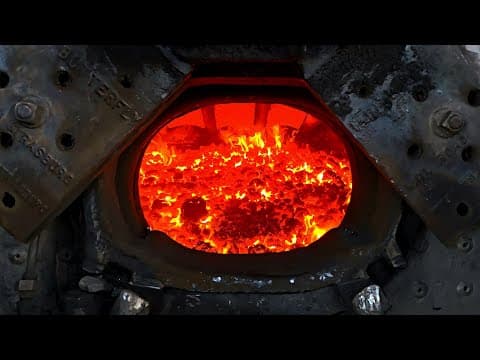
The Coaster uses diesel locomotives manufactured by Morrison Knudsen, specifically the F40PHM-2C model, each delivering 3000 horsepower. There are five locomotives in the Coaster's roster, capable of speeds up to 90 miles per hour.
An interesting operational feature is the push-pull mode. Instead of switching the locomotive to the front at terminals, the train operates with the locomotive pushing or pulling depending on the direction. For southbound trips, the locomotive pushes the train, controlled from a duplicate set of controls in the trailing passenger car. This setup allows the engineer to switch ends easily at each terminal.
Within the Coaster system, trains heading south are assigned even numbers, while northbound trains have odd numbers. For example, Coaster number 619 arrives at the Oceanside Transit Center and becomes number 622 for its return trip south to San Diego.
The Coaster began operation in March 1995 with the goal of reducing automobile congestion along Interstate 5 and the Pacific Coast Highway. On an average day, approximately 4,000 passenger trips are made on the Coaster. This number can nearly quadruple during special events, such as San Diego's annual Street Scene Festival.
The regular schedule includes nine round-trip trains Monday through Thursday, 11 on Fridays, and four on Saturdays, providing flexibility for commuters and weekend travelers alike.
The Coaster is equipped with an Automatic Train Stop (ATS) system that alerts engineers to upcoming curves and other track conditions, enhancing safety during the journey.
The Coaster train offers Southern California residents a scenic, efficient, and stress-free alternative to driving along the congested coastal highways. With its modern equipment, convenient connections, and reliable schedule, it continues to serve thousands of commuters daily, contributing to reduced traffic and environmental benefits in the region.