
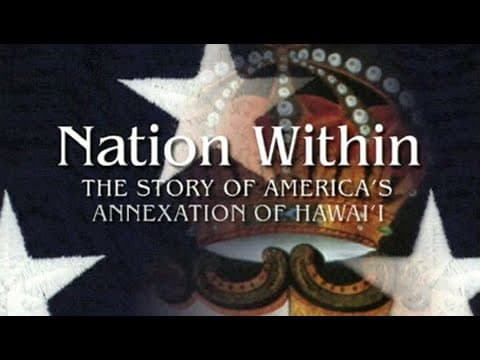
This blog post explores the intricate history of Hawaii's annexation by the United States, detailing the political maneuvers, key figures, and the resistance from native Hawaiians that shaped this pivotal moment in American history.
The annexation of Hawaii by the United States is a significant chapter in American history, marked by political intrigue, resistance from native Hawaiians, and the ambitions of American expansionists. This blog post delves into the events leading up to the annexation, the key players involved, and the impact on the Hawaiian people.
In 1993, Hawaii commemorated the 100th anniversary of the overthrow of its monarchy, an event that sparked a retelling of the stories surrounding Queen Liliuokalani and the American missionaries who conspired against her. The years following the overthrow were crucial in understanding how Hawaii transitioned from a sovereign nation to an American territory.
The first American settlements in Hawaii were established by individuals from New England, particularly from towns like Augusta and Hallowell in Maine. Notably, the first sugar plantation in Hawaii was founded by William Ladd and Peter Brimsmaid from Hallowell. The establishment of American influence in Hawaii began with diplomatic discussions about annexation as a means to protect the islands from European imperialism.
Luther Severance, the first American diplomat to discuss annexation with King Kamehameha III, emphasized the importance of Hawaii's sovereignty. However, as Hawaii sought to maintain its independence, discussions stalled. The interests of American expansionists, including figures like John Stephens and James G. Blaine, began to shape the narrative around Hawaii's future.
In 1887, a coup d'état led to the imposition of the Bayonet Constitution, which stripped King Kalakaua of significant powers and diminished democracy in Hawaii. This constitution was a direct response to the growing influence of American sugar planters who sought to secure their economic interests.
Despite the political upheaval, Hawaiian nationalists, including Joseph Nawahi, emerged as vocal opponents of American encroachment. Nawahi, educated by American missionaries, became a prominent figure advocating for Hawaiian sovereignty and opposing the reciprocity treaty that favored American sugar interests in exchange for military access to Pearl Harbor.
As the sugar industry flourished, American interests intensified. The reciprocity treaty, which allowed Hawaiian sugar to enter the U.S. market duty-free, was seen as a means to secure a strategic military position in the Pacific. However, opposition from Hawaiian nationalists persisted, leading to further political tensions.
The election of Benjamin Harrison and the appointment of James Blaine as Secretary of State marked a turning point. Blaine's push for annexation intensified, and the American government began to exert pressure on Hawaii. The situation escalated when American troops were deployed to support the coup against Queen Liliuokalani, leading to her eventual surrender.
In 1897, a treaty for annexation was drafted, but it faced significant opposition. President Grover Cleveland, who had previously sided with the Queen, refused to support the treaty after hearing the Hawaiian perspective. However, the political climate shifted with the election of William McKinley, who favored annexation.
The Spanish-American War provided the perfect backdrop for annexation. American interests in Hawaii were framed as essential for national security, and the joint resolution for annexation passed with a simple majority in Congress, bypassing the traditional treaty process.
On August 12, 1898, Hawaii was officially annexed, marking the end of its sovereignty. The native Hawaiian population, which had opposed annexation, found themselves under American rule, with their political and cultural identity threatened.
Despite the annexation, resistance continued among native Hawaiians. Organizations like Hui Aloha Aina rallied against the loss of sovereignty, emphasizing the need for self-determination. The legacy of annexation remains a contentious issue, with ongoing discussions about the rights of native Hawaiians and the historical injustices they faced.
The annexation of Hawaii is a complex story of imperial ambition, resistance, and the struggle for sovereignty. Understanding this history is crucial for recognizing the ongoing impact of these events on the Hawaiian people and their culture today. The narrative of Hawaii's annexation serves as a reminder of the importance of consent and representation in governance, principles that continue to resonate in contemporary discussions about sovereignty and rights.



















