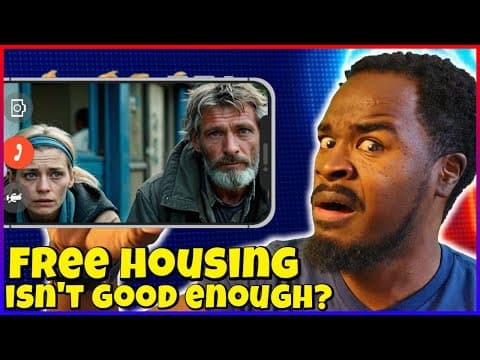
A homeless couple in Knoxville, Tennessee, received free housing but expressed dissatisfaction, sparking a debate about entitlement and gratitude in society.
In a recent video, a homeless couple residing in Isabella Towers, an apartment complex in Knoxville, Tennessee, expressed their dissatisfaction with the free housing they received. This situation has ignited a discussion about entitlement and gratitude among those who receive assistance.
The couple, who had previously been homeless, were provided with free housing, electricity, and water. Despite this generous offer, they voiced complaints about the size and quality of their new living conditions. One of them stated, "I don't want to be in government housing. It's just terrible and it's just too small."
This reaction raises questions about the expectations of individuals who receive aid. Many people might argue that being given a roof over one's head should be met with gratitude, especially when it comes at no cost.
The video host, Tai Smith, expressed his frustration with the couple's attitude. He pointed out that their complaints seemed ungrateful, especially considering their previous circumstances of living on the streets. Smith remarked, "You are homeless, you have free housing right now, and you are saying that you want a home?" This sentiment resonates with many who believe that receiving assistance should come with a sense of appreciation.
The couple's comments prompted a broader discussion about gratitude and entitlement. Smith emphasized that many people in similar situations would be grateful for the opportunity to have a stable living environment. He questioned whether the couple understood the value of what they had been given, stating, "You have nothing, and I'm giving you this stuff for free, and you want to treat me like this is not good enough?"
This perspective highlights a common sentiment among those who believe that assistance should be met with appreciation rather than complaints. Smith's assertion that if they were ungrateful, they could leave, reflects a tough-love approach to social assistance.
This incident is not just about one couple's reaction; it reflects a larger societal issue regarding how we view assistance and entitlement. Many people struggle with the concept of gratitude, especially when they feel that their needs are not being fully met. The couple's desire for a larger home and more freedom, despite having been given a place to stay, illustrates a disconnect between their expectations and the reality of their situation.
The situation of the homeless couple in Knoxville serves as a reminder of the complexities surrounding social assistance. While many would argue that receiving help should come with gratitude, the reality is often more nuanced. It raises important questions about expectations, entitlement, and the responsibilities of both those who provide assistance and those who receive it. As we continue to navigate these discussions, it is crucial to foster understanding and empathy on both sides of the equation.