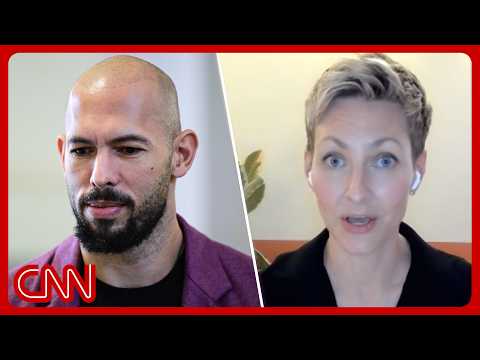
The DOJ released a heavily redacted portion of the Jeffrey Epstein files, sparking controversy over transparency and the slow rollout. Photos involving President Trump were temporarily removed and then restored, leading to accusations of political interference. Bipartisan lawmakers are pushing for full disclosure and considering legal actions against Attorney General Pam Bondi for withholding documents. The situation highlights ongoing challenges in balancing victim privacy and public interest.
The Department of Justice (DOJ) recently published a heavily redacted portion of the Jeffrey Epstein files, igniting a heated debate over transparency and the slow release of these documents. The files, which span investigations from 2005 to 2019, include phone records, travel logs, victim interviews, and photographs involving Epstein and various high-profile individuals. However, the release has been criticized for its incompleteness and the redaction of key information.
On Friday, the DOJ posted the documents on its website as mandated by the bipartisan Epstein Files Transparency Act, which requires all classified documents related to Epstein to be made public within 30 days. The files cover investigations by the Palm Beach Police in 2005, federal cases in 2008 and 2019, and include various types of evidence.
Despite the volume of material, much of the content was previously available through court records, Freedom of Information Act (FOIA) requests, and prior releases by the House Oversight Committee. The new release was more of a compilation rather than a fresh disclosure, heavily redacted and incomplete.
The files did not reveal any new evidence implicating celebrities or political figures in illicit activities.
Following the initial release, several photos were removed from the DOJ website, including one showing President Trump with unidentified females. This action sparked outrage among lawmakers and survivors, who questioned the motives behind the removal.
Deputy Attorney General Todd Blanche explained that the removal was due to a New York judge's order to consider any concerns from victims or victim rights groups regarding the material. He emphasized that the DOJ's release complies with legal requirements, protecting victims' personal information and adhering to statutes that govern criminal investigation disclosures.
Blanche dismissed claims that the photo's removal was to protect President Trump as "laughable" and assured that the photo would be restored with possible redactions. The photo was subsequently reposted without alteration after review determined no victims were depicted.
The release followed the passage of the bipartisan Epstein Files Transparency Act, co-authored by Democratic Congressman Ro Khanna and Republican Thomas Massie. Both lawmakers expressed dissatisfaction with the incomplete release and are considering actions against Attorney General Pam Bondi for failing to comply fully.
Khanna and Massie are exploring the use of inherent contempt proceedings against Bondi, a rarely used congressional enforcement mechanism that could compel the release of the remaining documents. This process would involve finding Bondi in contempt for each day she withholds the files, potentially expediting justice for Epstein's victims.
Attorney General Bondi responded on social media, affirming the DOJ's commitment to prosecuting those involved in trafficking and exploitation and upholding equal justice.
Legal affairs reporter Fallon Gallagher noted that the DOJ's release was more of a compilation of previously available documents rather than a comprehensive disclosure. The files were heavily redacted and did not provide significant new insights.
Gallagher highlighted the DOJ's apparent focus on portraying Epstein's connections with Bill Clinton, while references to Trump were limited and contained no new incriminating evidence. The removal and re-addition of photos over the weekend suggested a haphazard approach to the release.
The DOJ's claim of being among the most transparent administrations was met with skepticism, as the release was compelled by law and congressional subpoenas. The ongoing redactions and delays have fueled speculation about potential investigations involving high-profile individuals.
The enforcement of the Epstein Files Transparency Act remains uncertain. The inherent contempt mechanism proposed by lawmakers is rarely used and has not been successfully employed since the 1930s. Achieving bipartisan support for such measures is crucial.
There is also the challenge of balancing victim privacy with the public's right to know. Survivors and advocates agree on protecting identities but insist on full disclosure of the documents.
The controversy over the Epstein files release underscores the difficulties in handling sensitive legal documents involving powerful figures. It raises questions about political influence, transparency, and accountability within the justice system.
Additionally, the situation reflects on the DOJ's role and the administration's willingness to comply with congressional mandates.
In a related development, CBS News shelved a previously scheduled 60 Minutes segment on the White House's use of the El Salvador super prison, sparking backlash over journalistic impartiality. The decision, reportedly made by CBS News Editor in Chief Barry Weiss, was criticized by correspondent Sharyn Alfonsi as politically motivated.
Weiss defended the decision, citing the need for sufficient context and critical voices, but the incident highlights ongoing tensions between media organizations and political administrations.
The partial and redacted release of the Jeffrey Epstein files by the DOJ has generated significant controversy and scrutiny. While the documents provide some insight into Epstein's associations, they fall short of delivering the full transparency demanded by lawmakers, survivors, and the public.
The unfolding political and legal battles over the release process will likely continue, with potential implications for justice for Epstein's victims and the accountability of those connected to his network.
As the situation develops, further document releases and congressional actions are anticipated, keeping the public's attention on this critical issue.