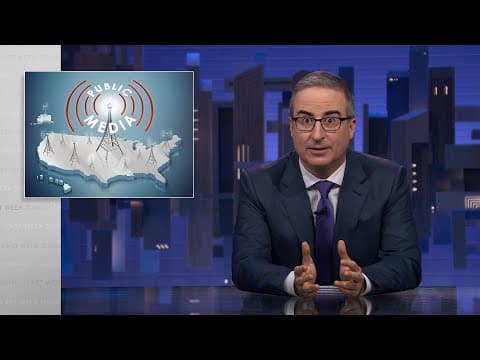
Public media in the U.S., including PBS and NPR, plays a vital role in education, local news, and emergency alerts, reaching 99% of Americans. However, recent federal funding cuts threaten its survival, especially in rural and underserved communities. This article explores public media's history, impact, challenges, and ongoing efforts to support and sustain it.
Public media has been a cornerstone of American culture and education, bringing us beloved programs like Sesame Street, NPR's Tiny Desk Concerts, and The Joy of Painting with Bob Ross. These programs have not only entertained but also educated and connected communities across the nation.
Bob Ross, the iconic painter known for his soothing voice and happy little trees, famously shared his love for squirrels, including his real-life companion Peepod the pocket squirrel. Beyond the charm of his show, Bob Ross's work exemplifies the unique and heartfelt content public media offers.
In America, most public media operates under the Corporation for Public Broadcasting (CPB), which until recently funded over 500 radio and TV grantees and more than 1,500 locally managed stations. This network reaches nearly 99% of the U.S. population with free programming and services.
Public media has been innovative in serving underserved audiences, pioneering closed captioning in the 1970s and offering programming in languages such as Haitian Creole, Navajo, and Vietnamese.
Despite its importance, public media faces a severe threat. In the summer of 2023, Congress eliminated $1.1 billion in funding allocated for public broadcasting over the next two years. This decision was celebrated by former President Donald Trump, who criticized public broadcasting as wasteful.
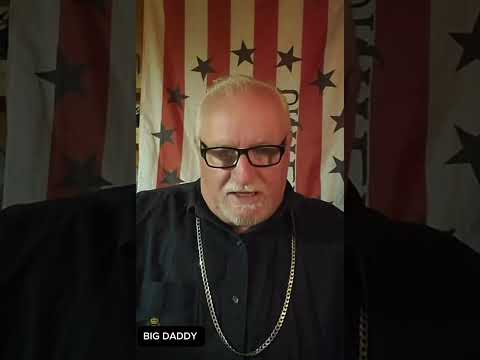
These cuts have sparked outrage across the political spectrum, including from unexpected supporters like the lead vocalist of the heavy metal band Gu, who praised public radio as a national treasure.
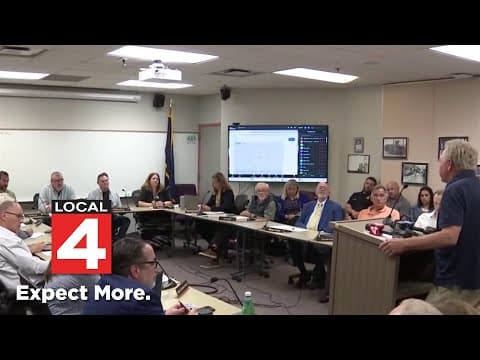
The funding cuts are devastating, particularly for rural, remote, and tribal communities. An estimated 115 stations serving 43 million Americans may close by mid-next year. Local stations provide vital services such as public service announcements about community meetings, school supply distributions, and free meals for veterans and the homeless.
For many, public media is a lifeline. Stations like Red River Radio in Shreveport, Louisiana, operate with minimal staff, often relying on a single full-time employee to cover news across multiple states.
The public media system began with the Public Broadcasting Act of 1967, signed by President Lyndon B. Johnson. The act created the CPB to distribute funding while maintaining independence from government control.
Despite being a private nonprofit, the CPB's funding depends on congressional appropriations, making it vulnerable to political attacks. Historically, Republicans have frequently targeted public media funding, citing concerns over liberal bias.
Fred Rogers famously defended public media funding in the 1970s, emphasizing the educational and emotional support his program provided to children. Today, similar defenses are met with skepticism and political attacks, often fueled by accusations of liberal bias and un-American content.
However, many criticisms stem from misunderstandings or misrepresentations of programming. For example, a documentary titled "Racist Trees" explored a historically black neighborhood's fight against segregationist symbols, not an assertion that trees themselves are racist.
Federal funding accounts for about 14-18% of local public media budgets on average, with the rest coming from donations and other sources. Some stations, especially in less affluent areas, rely more heavily on federal funds.
Cuts force stations to reduce local reporting and rely more on national programming, ironically increasing the very "urban echo chamber" critics decry.
Local programming includes high school sports, community trading segments, and crucial local news coverage. In some counties, public media is the sole source of local news.
Public media stations have uncovered significant stories, such as corruption in West Virginia's coal industry, food stamp backlogs in Alaska, and sexual misconduct investigations in New Hampshire. These reports often come with personal risks to journalists.
Stations also provide essential emergency information, especially in areas with limited internet or cell service. During natural disasters like hurricanes, public radio is often the only reliable source of timely alerts and information.
Compared to other countries, U.S. public media receives relatively little federal funding. Nations like Norway, Sweden, and the UK invest significantly more per capita.
Research shows a strong public media system correlates with healthier democracies, a critical consideration given current challenges to American democracy.
A long-term solution would involve stable funding mechanisms independent of congressional appropriations, such as dedicated taxes or licensing fees. Until then, public media remains vulnerable.
In response to recent cuts, initiatives like the Public Media Bridge Fund have emerged to support at-risk stations. Fundraising efforts include auctions of unique items, such as original Bob Ross paintings, to raise money for public media.
Public media is an invaluable resource that educates, informs, and connects communities across the United States. The recent funding cuts threaten its ability to serve especially vulnerable populations and maintain local journalism.
Supporting public media through donations, advocacy, and awareness is crucial to preserving this national treasure for future generations.
For those interested in contributing, resources like adoptation.org provide ways to support local stations directly. Every effort helps ensure that public media continues to enrich American life with quality programming and vital information.