This article provides an in-depth update on the ongoing Iran conflict as of March 2, 2026, detailing casualties, leadership changes, and retaliatory attacks. It also explores the implications for global markets, including stock and oil prices, and discusses the political ramifications for regional and international players, including the United States and China.
Welcome to this comprehensive update on the Iran conflict as of March 2, 2026. This article covers the latest developments in the conflict, the casualties on both sides, the shifting leadership within Iran, retaliatory actions in the Gulf region, and the broader implications for global markets and geopolitics.
As of early March 2026, the conflict involving Iran has intensified significantly. The United States Department of Defense held a press conference at 8 AM Eastern Time, providing updates on the situation. Although the press conference was ongoing at the time of reporting, preliminary information reveals critical insights.
Iranian Casualties: Official Iranian sources report over 200 deaths nationwide. Most of these casualties are high-ranking officials targeted by U.S. and Israeli forces, including senior military leaders and personnel involved in suppressing dissent. Civilian casualties appear to be relatively low.
U.S. Military Casualties: The United States has confirmed four military fatalities and five serious injuries. Three of these deaths were previously acknowledged, with one additional soldier confirmed killed during the initial bombing phase.
Donald Trump has publicly commented on the conflict, noting that U.S. military casualties may increase as the conflict continues. He estimates the conflict could last up to four weeks, emphasizing that Iran, as a major power, requires this timeframe for military operations. Trump expressed hope for a shorter duration but affirmed that operations are proceeding according to plan.
He also highlighted that U.S. and Israeli forces have eliminated 48 Iranian leaders, surpassing expectations. This includes the destruction of Iran's Ministry of Defense television facilities.
The initial U.S. objective was to eliminate the current Iranian regime's leadership and potential successors. According to Trump, this goal has been largely achieved, with the top three tiers of Iran's leadership effectively removed.
Trump mentioned having three strong candidates ready to lead Iran and indicated plans to restore negotiations with a new Iranian government led by these individuals. However, Iran's current security chief has rejected any talks with the United States.
Iran is currently undergoing a sensitive leadership transition. Many potential successors have been targeted and eliminated. A temporary governing committee, including a senior cleric and President Masoud, has taken control. The stability and longevity of this interim government remain uncertain due to the rapid pace of targeted strikes.
In response to the attacks, Iran has launched multiple drone and missile strikes against several Gulf Cooperation Council (GCC) countries, including Kuwait, the United Arab Emirates (UAE), Bahrain, Saudi Arabia, Oman, and Qatar.
Iran perceives these Arab states as collaborators with the U.S. and Israel, prompting these retaliatory strikes despite Iran's inability to confront U.S. and Israeli forces directly.
Bahrain and the UAE have reported successfully intercepting hundreds of Iranian drones.
Kuwait's Civil Defense Director announced that most hostile Iranian drones approaching via maritime routes were intercepted.
On March 2, 2026, multiple U.S. military aircraft crashed in Kuwaiti airspace. The U.S. military clarified these incidents were due to friendly fire, not Iranian attacks.
The ongoing conflict and regional instability have significant implications for global stock markets and oil prices. Investors are closely monitoring developments, with expectations of volatility due to uncertainty in the Middle East.
The rapid elimination of Iran's leadership and the uncertain transition raise questions about the future stability of the region.
The U.S. aims to install a new Iranian government amenable to negotiations, but resistance from current Iranian security officials complicates this goal.
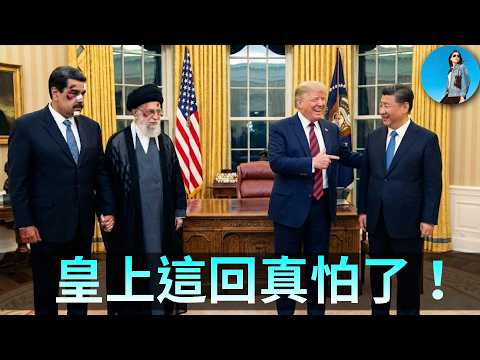
The conflict affects not only Iran and the U.S. but also regional allies and global powers, including China, which faces its own strategic losses amid these developments.
The Iran conflict as of March 2026 is marked by intense military operations, significant casualties, and a fragile leadership transition within Iran. Retaliatory strikes against Gulf states underscore the regional tensions. The situation continues to evolve rapidly, with profound consequences for global markets, geopolitical alliances, and the future of Middle Eastern stability. Stakeholders worldwide remain vigilant as the conflict unfolds over the coming weeks.