
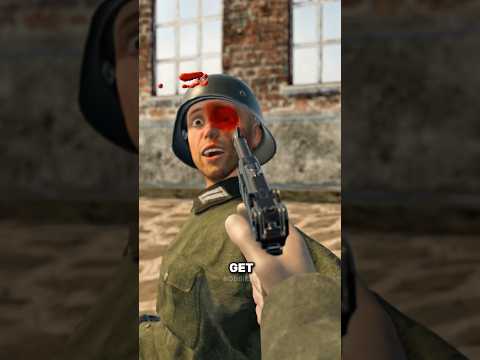
During World War II, some German soldiers faced execution by their own side for advocating surrender. This brutal practice highlighted the desperation and paranoia within the ranks as the war turned against Germany.
World War II was a time of immense turmoil and conflict, not just between nations but also within the ranks of the armies themselves. One of the most harrowing aspects of this internal strife was the treatment of soldiers who dared to question the war effort or advocate for surrender. This blog post delves into a chilling incident that exemplifies the extreme measures taken by the German military during this tumultuous period.
In a shocking turn of events, a German soldier was shot in the head, not by enemy fire, but by his own comrades. This incident underscores the brutal reality faced by soldiers as the tide of the war began to turn against Germany. As the situation deteriorated, some soldiers found the courage to speak out against the ongoing conflict, urging their superiors to consider surrender as a viable option.
The act of advocating for surrender was viewed as an act of betrayal by the German military leadership. High-ranking officers were not only resistant to the idea of capitulation but also deeply paranoid about dissent within their ranks. As a result, soldiers who expressed such views faced severe repercussions. Many were executed, and their bodies were displayed publicly as a grim warning to others who might entertain similar thoughts.
The execution of dissenters served a dual purpose: it was a punishment for those who dared to challenge the status quo, and it acted as a deterrent to others who might consider voicing their concerns. The display of executed soldiers in the streets was intended to instill fear and maintain control over the remaining troops. This atmosphere of fear and repression contributed to the overall morale decline within the German army as the war progressed.
The fear of execution for advocating surrender created a toxic environment among the soldiers. Many were left grappling with their own beliefs about the war and their duty to their country. The internal conflict between loyalty to their comrades and the desire for self-preservation led to a breakdown of trust within units. Soldiers were not only fighting against the enemy but also against the oppressive atmosphere created by their own leadership.
The tragic fate of the German soldier who was shot by his own side serves as a stark reminder of the complexities of loyalty and betrayal during wartime. As the war drew to a close and defeat became inevitable, the lengths to which the German military went to suppress dissent reveal the desperation and paranoia that permeated their ranks. Understanding these dynamics provides a deeper insight into the human experience during one of history's most devastating conflicts.



















