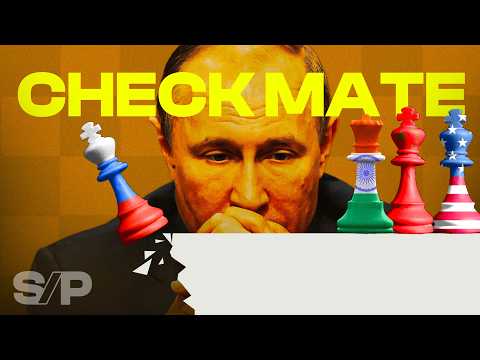
This blog post explores the historical rise and current decline of Russian chess under Vladimir Putin's regime. It examines the political, technological, and social factors contributing to this shift, including the impact of the Ukraine war and the evolution of chess as a global sport.
Vladimir Putin's affinity for sports is well-known, with his prowess in soccer, weightlifting, and ice hockey often highlighted. However, chess stands out as a sport where Russia has historically excelled. With 26 world championships and over 200 grandmasters, Russia has long been a powerhouse in the chess world. Yet, under Putin's leadership, this dominance is waning. This post delves into the rise of Russian chess, its political significance, and the factors contributing to its current decline.
Chess originated in India in the sixth century but evolved into its modern form in Europe during the 15th century. The game was introduced to Russia by Peter the Great in the 1700s, initially enjoyed by the elite. However, it was Vladimir Lenin in the 1920s who democratized chess, believing it could elevate the intellectual capacity of the largely peasant population.
By the 1930s, the Soviet government was heavily investing in chess, establishing clubs, publishing magazines, and creating rigorous training programs. This investment paid off, as from 1948 to 1972, every World Chess Champion was from the Soviet Union. The Soviets not only dominated the men’s championships but also the women’s titles and the Chess Olympiads. This era was characterized by a snowball effect, where access to strong trainers and resources allowed Russian players to excel.
The 1972 World Championship match between Boris Spassky and Bobby Fischer symbolized the Cold War rivalry, with chess becoming a battleground for ideological supremacy. Although Fischer won, the Soviets regained control and maintained their dominance for decades, even after the Soviet Union's collapse in 1991.
In 1995, Kirsan Ilyumzhinov became president of the International Chess Federation (FIDE). His eccentricities and alleged corruption, including ties to the Russian state, raised concerns about the integrity of chess governance. Ilyumzhinov's presidency was marked by favoritism towards Russian interests, which further solidified Russia's influence in the chess world.
After Ilyumzhinov's resignation in 2018, Arkady Dvorkovich, a close ally of Putin, took over FIDE. While he was seen as an improvement, Dvorkovich continued to align FIDE closely with Russian state interests, with a significant portion of the budget coming from Russian companies. Despite this, Russian players were not achieving the same level of success as before.
The advent of chess engines in the 1990s revolutionized the game, allowing players worldwide to access training tools that were once exclusive to Russian players. This democratization of chess training led to the emergence of strong players from various countries, diminishing Russia's historical advantage.
As the internet facilitated the rise of non-Russian players, countries like India and China began producing world-class talent. The Chess Olympiads saw a shift, with non-Russian teams frequently winning, indicating a significant change in the chess hierarchy.
The invasion of Ukraine in 2022 had profound implications for Russian chess. FIDE banned Russian teams from participating in international competitions and barred players from competing under the Russian flag. This led to a mass exodus of talent, with many grandmasters switching allegiances to other countries.
The war has not only affected player participation but has also divided the chess community. Dvorkovich's attempts to navigate this complex landscape have been met with criticism, as many players oppose the inclusion of Russian participants in major tournaments. The ongoing conflict continues to hinder Russian players' opportunities to compete and develop.
Despite the challenges facing Russian chess, the sport itself is thriving. New formats and online platforms are attracting more players and viewers, leading to increased attention and investment in chess. However, the lingering influence of Russian politics may hinder the sport's growth and inclusivity.
The decline of Russian chess under Putin's regime reflects broader political and social dynamics. While Russia once dominated the chess world, the combination of technological advancements and geopolitical tensions has reshaped the landscape. As chess continues to evolve, the question remains: how will the chess community reconcile its past with the need for a more inclusive future?