The Deepwater Horizon disaster, marked by a catastrophic explosion and fire, resulted in the loss of 11 crew members and significant environmental damage. Eyewitness accounts reveal the chaos, fear, and heroism displayed by those on board during the crisis, highlighting the dangers of offshore drilling and the human cost of such tragedies.
On April 20, 2010, the Deepwater Horizon oil rig experienced a catastrophic explosion that would become one of the most infamous disasters in offshore drilling history. This blog post recounts the harrowing experiences of those who were on board during the explosion, providing a detailed narrative of the events that unfolded that fateful night.
The disaster began with a loud noise that sounded like a freight train, startling crew members from their sleep. Steve, one of the rig workers, described the initial moments:
"I jumped out of the bed and then there was a thumping sound that consecutively got much faster. And with each thump, I felt the rig actually shake. Then there was an initial boom. The lights went out."
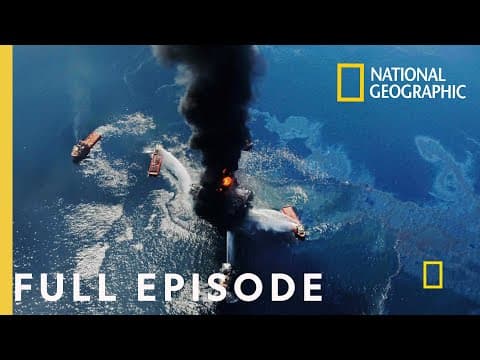
At approximately 10:00 PM Central Time, a massive explosion rocked the rig, sending flames shooting in every direction. Eyewitness accounts describe the chaos that ensued, with one worker recalling, "It was extremely loud. It actually started sounding like a living thing." The sound of escaping gas fed the fireball that incinerated the Deepwater Horizon.
In the wake of the explosion, panic set in. With 126 people on board, many were forced to jump more than 75 feet into the ocean to escape the inferno. The Coast Guard quickly initiated a search for the 11 workers who were still missing. As the sun rose, the situation became increasingly precarious, with crew members realizing the severity of the disaster.
Frank, a crew member, explained the rig's purpose: "Deepwater Horizon, a state-of-the-art, semi-submersible drilling rig, was rented to big oil companies to drill in challenging environments." The crew's camaraderie was evident, as many spent more time with each other than with their families, forming close bonds in the face of danger.
As the night progressed, the rig's condition deteriorated. Alwin, another crew member, noted a calm night before the explosion, but soon after, he witnessed mud falling through the rig, signaling trouble. Randy received a call about the situation and rushed to help, only to find chaos unfolding.
Chris, another worker, described the confusion: "I heard a hissing noise, and then a thump. Within seconds, I started hearing beeping. I knew then that we were having a problem." The explosion caused significant damage, with debris falling and power outages complicating the evacuation efforts.
In the midst of the chaos, crew members fought for their lives. Mike recounted crawling through the wreckage, struggling to breathe and see. "I crawled across the bodies of at least two men. I assumed they were dead and kept moving because I knew that I was in no condition to help them."
Randy faced a similar struggle, trapped under debris and fighting to escape. "I told myself, 'Either you get up, or you're gonna lay here and die.'" The urgency to escape was palpable, as crew members navigated through smoke and debris, desperately seeking a way out.
As the situation worsened, the crew began to abandon ship. Lifeboats were deployed, but panic ensued as some crew members jumped off the rig, fearing for their lives. Chris described the scene: "Some people were jumping off, some people were holding people back from jumping off."
The heat from the flames was intense, and many feared the lifeboats would not survive. Steve recalled the moment they finally launched the life raft: "When we touched the water, I heard somebody holler out, 'Where are the paddles?'" The crew worked together to escape the burning rig, swimming to safety amidst the chaos.
As the Coast Guard arrived, the scale of the disaster became evident. John, a rescue pilot, described the immense glow of flames visible from the air, likening it to flying towards New York City. The rescue teams worked tirelessly to locate survivors, but the reality of the situation was grim.
The search for the missing crew members continued, with reports indicating that 11 workers were unaccounted for. The emotional toll on the survivors was significant, as they grappled with the loss of their colleagues and the trauma of the event.
In the days following the disaster, the impact of the explosion was felt far and wide. The environmental consequences were severe, with crude oil leaking into the Gulf of Mexico. Survivors were left to process their experiences, many haunted by the memories of that night.
Chris reflected on the aftermath: "We sat there pretty much watched the rig burn for six or seven hours. That's something I'll never forget. The images just burned in my head."
The Deepwater Horizon disaster serves as a stark reminder of the dangers associated with offshore drilling and the human cost of such tragedies. The bravery and resilience of those who survived highlight the importance of safety and preparedness in high-risk industries.
The Deepwater Horizon disaster was not just a technical failure; it was a human tragedy that claimed the lives of 11 workers and left many others with lasting scars. The stories of those who lived through the explosion remind us of the fragility of life and the importance of safety in the workplace. As we reflect on this event, we must honor the memory of those who lost their lives and strive to prevent such disasters in the future.