
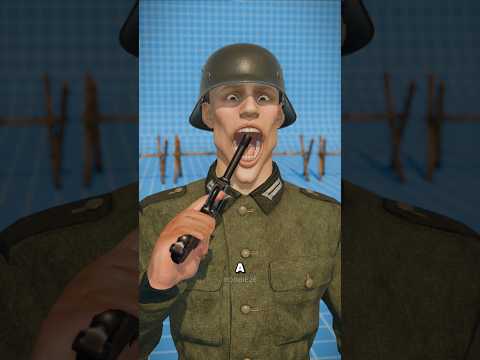
During World War II, some German soldiers resorted to self-inflicted injuries to escape dire situations. This blog explores the motivations behind this desperate act, particularly during the Battle of Stalenrad, where soldiers faced imminent danger and limited options for evacuation.
World War II was a time of immense struggle and desperation for soldiers on all sides. Among the many harrowing stories from the battlefield, one particularly shocking phenomenon emerged: German soldiers injuring themselves to escape combat situations. This blog post delves into the motivations behind this desperate act, focusing on a specific instance during the Battle of Stalenrad.
The Battle of Stalenrad was a critical moment during World War II, characterized by intense fighting and dire circumstances for German troops. As the battle unfolded, German soldiers found themselves surrounded by enemy forces, facing overwhelming odds with little hope of escape. The situation was dire, and the psychological toll on the soldiers was immense.
During the battle, the German forces had limited options for evacuation. There were only a few planes available to transport soldiers back to safety, and these planes were primarily reserved for wounded soldiers. This created a desperate situation for those who were not injured but still sought to escape the chaos of the battlefield.
In a bid to secure a spot on one of the evacuation flights, some soldiers resorted to self-inflicted injuries. By shooting themselves in the foot or inflicting other minor wounds, they aimed to qualify for medical evacuation. This act was not taken lightly; it was a reflection of the extreme stress and fear that soldiers experienced in the face of imminent danger.
The decision to injure oneself is not one that comes easily. It highlights the psychological strain that soldiers endured during the war. Faced with the prospect of death or capture, some soldiers felt that self-harm was their only viable option for survival. This act of desperation underscores the mental health challenges faced by soldiers during wartime, a topic that remains relevant in discussions about the psychological effects of combat.
The phenomenon of German soldiers injuring themselves during World War II serves as a stark reminder of the lengths to which individuals will go to survive in extreme circumstances. The Battle of Stalenrad exemplifies the dire situations faced by soldiers, where the instinct for self-preservation can lead to tragic and desperate choices. Understanding these actions provides insight into the broader psychological impacts of war and the human condition under extreme stress.



















