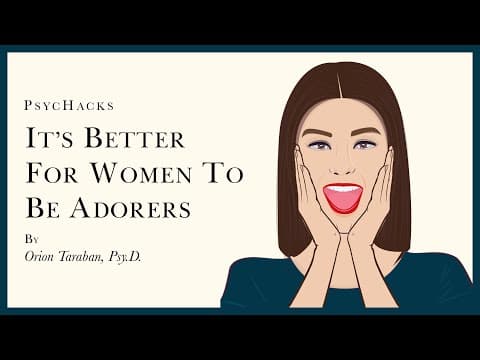
In relationships, one person must always like the other more, creating roles of adorer and adored. This article explores why it is generally better for women to take on the role of the adorer, emphasizing the emotional benefits and the implications of hypergamy in romantic dynamics.
In the realm of relationships, the balance of attraction plays a crucial role in how individuals connect with one another. Dr. Orion Taraban discusses this balance in his talk, emphasizing the importance of understanding the roles of adorer and adored. This article delves into why it is generally better for women to be the adorers in romantic relationships.
At the core of any relationship, one person will always like the other more. This creates two distinct roles: the adorer, who has stronger feelings, and the adored, who is the recipient of that affection. These roles are not confined to gender; both men and women can occupy either position. However, the dynamics and emotional experiences associated with these roles differ significantly.
Most people, regardless of gender, desire to be the adorer. This desire stems from the emotional highs associated with being in love, feeling lucky, and experiencing excitement in a relationship. The adorer enjoys a unique emotional connection, as they are the one actively engaging with their feelings for the adored. In contrast, the adored experiences a different kind of emotional engagement, which is often less compelling.
Dr. Taraban argues that it is particularly important for women to have an emotional experience in their relationships. The saying goes that a woman can feel anything except boredom, highlighting the necessity of emotional engagement. If a woman feels indifferent in a relationship, she is likely to seek an exit. Therefore, being the adorer allows women to cultivate the emotional depth they crave, while being the adored can lead to feelings of boredom over time.
While being adored may seem appealing, it can quickly become monotonous. The pedestal that the adored occupies may feel good initially, but it can lead to dissatisfaction if the emotional engagement is lacking. A bored woman can jeopardize the sustainability of a relationship, making it crucial for her to be in the role of the adorer.
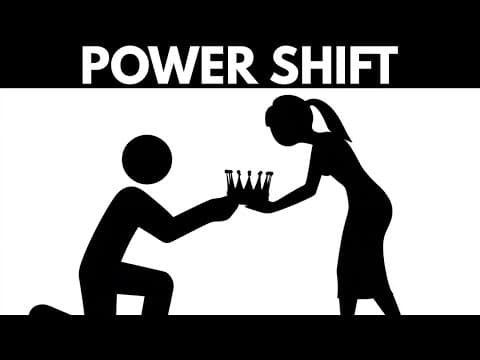
Another critical aspect of this discussion is hypergamy, which refers to the tendency of women to seek partners who are perceived as higher status—older, taller, wealthier, or more powerful. When a man insists on being the adored, he inadvertently places himself in a position where the woman cannot look up to him, undermining the dynamics of attraction.
Dr. Taraban encourages men to consider the implications of their desire to be the adorer. By insisting on this role, they may be robbing their partner of the opportunity to experience the emotional highs of being the adorer. He suggests that men should be willing to make a voluntary sacrifice to allow women to take on the role of the adorer, recognizing that this can enhance the emotional experience for both partners.
In conclusion, the dynamics of attraction reveal that it is generally better for women to be adorers in relationships. This arrangement fosters emotional engagement and satisfaction, which are vital for a sustainable partnership. Understanding these roles and their implications can lead to healthier and more fulfilling relationships for both men and women. What are your thoughts on this perspective?