
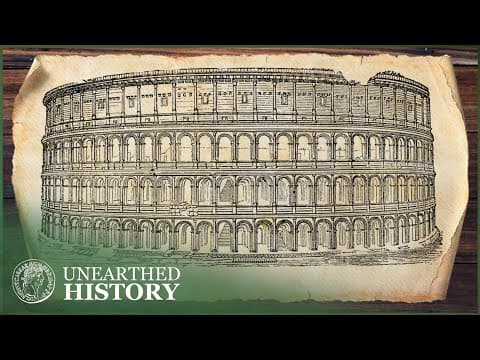
The Colosseum, built under Emperor Vespasian, showcases advanced Roman engineering techniques that have allowed it to stand for two millennia. Recent restoration efforts aim to preserve its historical integrity while addressing modern challenges such as pollution and structural damage. This blog post explores the construction methods, materials used, and ongoing restoration efforts that highlight the Colosseum's significance as a cultural and architectural icon.
The Colosseum, an iconic symbol of ancient Rome, stands as a testament to the advanced engineering and architectural skills of the Romans. Built during the reign of Emperor Vespasian, this monumental structure has withstood the test of time for nearly two thousand years. Today, efforts are underway to restore and preserve this historical site for future generations.
As dawn breaks over the Colosseum, restoration workers are diligently cleaning the travertine facade, revealing secrets hidden beneath layers of grime. The travertine stone, known for its durability and resistance to water, has supported the structure for centuries. The restoration team, led by experts like Dr. Conti, is focused on not only restoring the ancient glory of the stonework but also ensuring its waterproof integrity.
Using a combination of modern techniques and traditional materials, restorers apply a stucco mix of limestone and marble powder to match the original stone. This careful approach helps maintain the natural color of the travertine, which has changed over time due to weathering. The restoration process is meticulous, as workers aim to preserve the aesthetic continuity of the monument while allowing the passage of time to be reflected in its appearance.
The construction of the Colosseum was a monumental task that took ten years to complete, involving the labor of thousands. The foundation was ingeniously built using the natural depression of a lake, creating a robust elliptical structure. The Colosseum, originally known as the Flavian Amphitheater, was designed to accommodate large crowds for various public spectacles, including gladiatorial games.
Roman engineers utilized inclined planes to transport heavy travertine slabs to the upper levels of the amphitheater. While slaves were part of the workforce, skilled artisans and soldiers also played significant roles in the construction. The project was divided among four different construction companies, each responsible for various segments of the structure, leading to a unique blend of engineering solutions.
The Colosseum's design showcases the brilliance of Roman engineering, particularly in its use of arches. The Romans perfected the arch, allowing them to create vast open spaces with minimal materials. The structure features both barrel vaults made of concrete and crossed arches of travertine, which distribute weight effectively and enhance stability.
The interplay of these architectural elements not only contributed to the Colosseum's strength but also allowed for the construction of lighter materials in the upper levels. This design principle ensured that the heaviest components were at the base, supporting the entire structure above.
Despite its resilience, the Colosseum faces numerous challenges today. Natural disasters, pollution, and the passage of time have taken their toll on this ancient monument. Recent restoration efforts have highlighted the need for ongoing maintenance to prevent further deterioration. The partnership between public and private sectors has become crucial in funding these restoration projects, with significant investments aimed at preserving the Colosseum's structural integrity.
The restoration process involves advanced monitoring techniques to assess water infiltration and seismic activity, ensuring that the monument remains safe for visitors. The goal is to create a sustainable environment that allows for public access while protecting the historical significance of the site.
As restoration work continues, there are plans to enhance visitor experiences by opening previously inaccessible areas of the Colosseum. This initiative aims to provide a deeper understanding of the monument's history and its role in ancient Roman culture. The potential for hosting modern events, similar to those held in Verona's arena, is also being explored, although it raises questions about balancing preservation with contemporary use.
The Colosseum remains a powerful symbol of Rome's architectural prowess and cultural heritage. Its ongoing restoration is not just about preserving a building; it is about maintaining a connection to the past and ensuring that future generations can appreciate this remarkable feat of engineering.
In conclusion, the Colosseum stands as a testament to the ingenuity of Roman engineering and the importance of preserving our cultural heritage. As restoration efforts progress, the hope is that this iconic monument will continue to inspire awe and admiration for centuries to come.



















