
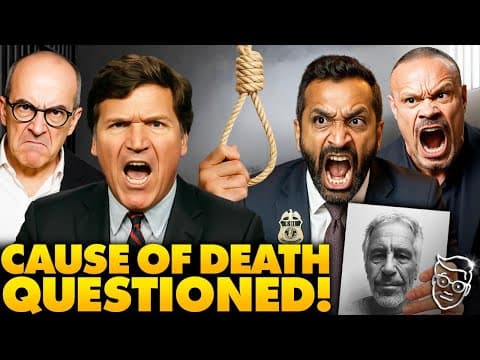
The debate surrounding Jeffrey Epstein's death continues to rage, with figures like Cash Patel and Dan Bongino asserting suicide while Epstein's brother, Mark, claims otherwise. This blog post explores the conflicting narratives, evidence, and theories surrounding Epstein's controversial death, highlighting the ongoing public skepticism and calls for transparency.
The death of Jeffrey Epstein has sparked intense debate and controversy, particularly following recent statements made by Cash Patel and Dan Bongino, who both assert that Epstein committed suicide. This claim has ignited a firestorm of criticism online, with many questioning the validity of their assertions.
During an interview with Maria Bartiromo, Patel and Bongino confidently stated that Epstein's death was a suicide. Patel, drawing from his experience in the criminal justice system, claimed, "I've seen the whole file; he killed himself." This assertion has not only drawn skepticism from the public but has also led to a backlash from Epstein's own brother, Mark Epstein.
Mark Epstein has publicly refuted the suicide narrative, arguing that there is substantial evidence suggesting his brother was murdered. He has been vocal about his belief that there is a broader conspiracy at play, involving high-profile individuals who had connections to Epstein.
Mark Epstein has appeared on various media platforms, expressing his frustration with the official narrative surrounding his brother's death. He argues that the circumstances of Epstein's death raise serious questions:
The public's reaction to Patel and Bongino's claims has been overwhelmingly critical. Many social media users have taken to platforms like Twitter to express their disbelief, with some calling for accountability from the FBI and the Department of Justice. The skepticism is fueled by the perception that the official narrative is being pushed without sufficient evidence.
Prominent figures, including Glenn Beck, have echoed the demand for transparency regarding Epstein's death. Beck stated that for the public to accept the suicide narrative, the FBI must release unredacted forensic autopsy reports, surveillance footage, and sworn testimonies from neutral parties. This sentiment reflects a broader desire for clarity and accountability in a case that has captivated public interest.
The debate over Epstein's death has led to various theories, ranging from the possibility of assisted suicide to outright murder. Some speculate that Epstein may have orchestrated his own death with the help of individuals within the prison system, suggesting that he could have paid someone to assist him in dying rather than facing trial.
Tucker Carlson, a prominent commentator, has pointed out the complexities of prison dynamics. He argues that while it may seem impossible for an outsider to have entered Epstein's cell, it is plausible that someone from within the prison could have been involved. This theory raises questions about the integrity of the prison system and the potential for collusion among inmates and staff.
The debate surrounding Jeffrey Epstein's death is far from over. With conflicting narratives and a lack of transparency from authorities, public skepticism continues to grow. As more information comes to light, the question remains: did Jeffrey Epstein commit suicide, or was he murdered? The answers may lie in the evidence that has yet to be disclosed, and the public's demand for accountability will likely persist until clarity is achieved.
As we continue to explore this complex case, it is essential to consider all perspectives and remain vigilant in seeking the truth behind Epstein's controversial death.



















