The conflict in Iran is rapidly escalating with targeted attacks on critical oil, gas, and water infrastructure, raising the risk of nuclear confrontation involving Iran, Israel, and the US. This situation threatens to disrupt global oil supplies, potentially causing unprecedented energy price spikes and humanitarian crises, while also heightening geopolitical tensions involving Russia, China, and regional actors.
This article provides a comprehensive update on the rapidly unfolding crisis in Iran, highlighting the severe geopolitical, military, and humanitarian implications that could soon impact the Middle East and the world.
Recent developments have seen Israeli and American forces targeting up to 30 critical oil and gas infrastructure sites in Iran, including facilities that process diesel and gasoline—resources vital to the civilian population. Additionally, water desalination plants, essential for civilian survival, have been attacked, constituting a serious violation of the Geneva Convention and potentially a war crime.
These aggressive strikes place Iran in a precarious position, compelling it to retaliate. Iran's potential responses include escalating attacks on oil and gas infrastructure across Gulf countries, initiating hostage crises at embassies, or even ground offensives, though the latter is considered less likely.
Iran reportedly has three nuclear options and one non-nuclear option for retaliation. The nuclear options include:
Israel and the United States have already targeted Iran's civilian nuclear program infrastructure, which could be used for nuclear weapons development. This heightens the risk of preemptive strikes by Israel if it perceives an imminent nuclear threat from Iran.
Israel may justify a preemptive nuclear strike by claiming it is preventing an Iranian nuclear attack, similar to the rationale used during World War II. This scenario could lead to devastating consequences for the region.
Iran has demonstrated the ability to circumvent Israel's air defense systems, including Iron Dome, Arrow, THAAD, and Patriot missiles. Their missile technology includes super heavy missiles potentially capable of carrying nuclear warheads.
Iran's defense strategy involves compartmentalizing its forces into approximately 30 independent military districts, allowing them to operate without centralized command. This mosaic defense plan has helped Iran sustain its military operations despite heavy bombardment.
Iran and its allies have targeted numerous oil tankers and cargo vessels in the Strait of Hormuz and the broader Persian Gulf, a critical chokepoint through which 40% of the world's sellable oil passes.
The Gulf countries' oil refineries, including Saudi Aramco and facilities in the United Arab Emirates, are vulnerable due to insufficient air defense coverage. Iran's attacks have already forced shutdowns of key facilities, which will take significant time to restart.
The disruption is expected to cause severe spikes in oil prices, with estimates suggesting prices could reach $150 per barrel or even $300 per barrel in a worst-case scenario. This would have profound effects on global inflation, supply chains, and the cost of living.
The attacks on desalination plants and oil infrastructure threaten to make the Middle East increasingly uninhabitable due to water shortages and extreme heat. Countries in the region, heavily dependent on desalination for water, face potential humanitarian disasters.
Millions of refugees may flee the region, creating an unprecedented migration crisis that neighboring countries and Europe may struggle to absorb.
A nuclear detonation in Iran would trigger a high state of nuclear alert in Russia, given Iran's position as Russia's southern flank. Despite cultural and demographic ties between Russia and Israel, Russia is likely to support Iran.
China, heavily dependent on Middle Eastern oil and other imports, has been stockpiling essential resources in anticipation of supply disruptions. The escalating conflict threatens China's internal stability and could prompt aggressive moves in the Indo-Pacific region, particularly concerning Taiwan.
If the US imposes a full embargo on Iran, including seizing Chinese-owned vessels, China may respond militarily either in the Middle East or the Indo-Pacific, risking a broader international conflict.
The US Navy is positioning forces near the Strait of Hormuz to protect shipping lanes, but faces threats from Iranian missile and drone capabilities, including disguised launchers in cargo trucks and shipping containers.
Regional actors such as Azerbaijan and Kurdish forces are reportedly preparing for ground operations, while Gulf Cooperation Council countries continue to face missile attacks.
The conflict risks igniting sectarian violence across the Middle East, exacerbating an already volatile situation reminiscent of the Syrian civil war but on a larger scale.
The Ford nuclear facility in Iran has been a focal point, with Israeli authorities issuing evacuation orders to nearby populations, suggesting preparations for a significant strike.
Conventional weapons capable of penetrating and destroying underground nuclear facilities are limited, implying that nuclear weapons might be considered for such operations.
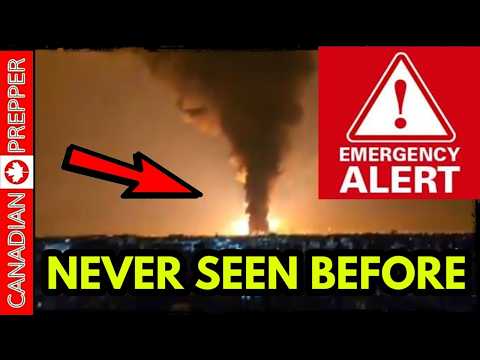
Rumors of nuclear detonations must be scrutinized carefully, as large explosions from fuel depot attacks can mimic nuclear blasts but lack the characteristic thermal and radiation signatures.
The conflict is expected to exacerbate the global cost of living crisis and could trigger hyperinflation, especially in Western countries already burdened by high debt and market valuations.
Supply chain disruptions, particularly involving China, will limit the availability of goods, making certain products unattainable regardless of price.
The situation in Iran is at a critical inflection point, with rapid escalation and the looming threat of nuclear conflict. The attacks on vital infrastructure and the potential for widespread regional war pose existential risks to millions.
Individuals are encouraged to continue preparedness efforts, including food security measures such as planning gardens for the upcoming seasons.
The global community must closely monitor developments, as the consequences of this conflict will reverberate far beyond the Middle East, affecting energy markets, geopolitical stability, and humanitarian conditions worldwide.
This comprehensive analysis underscores the urgency and complexity of the crisis in Iran, emphasizing the need for awareness and preparedness in an increasingly uncertain world.