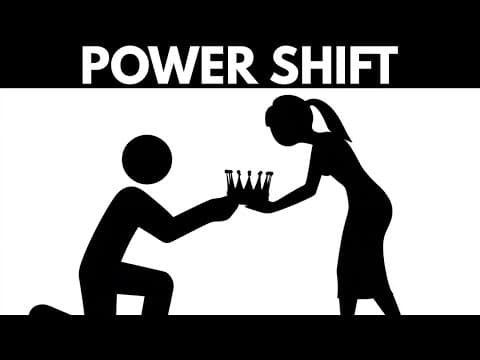
This blog post explores the concept of female desire as an evolutionary glitch, discussing why women often overlook nice men in favor of those who display indifference or rudeness. It delves into historical contexts, societal expectations, and the misinterpretation of kindness as weakness, ultimately suggesting that understanding these dynamics can help men navigate attraction more effectively.
In the realm of dating and relationships, many men find themselves perplexed by the dynamics of attraction, particularly when it comes to the women they are interested in. A common question arises: why do women often seem to prefer men who are indifferent or even rude, rather than those who are genuinely nice and caring? This blog post seeks to unpack this phenomenon, which can be described as an evolutionary glitch in female desire.
A man recently posed a question that resonates with many: "Why do I have to be indifferent to women? Why do I have to be careless or borderline rude?" This inquiry reflects a broader sentiment among men who feel that their kindness and romantic gestures are not reciprocated. The frustration is palpable, and it raises an important point about the underlying dynamics of attraction.
To understand this glitch, we must consider the historical context of human relationships. Life was incredibly tough for our ancestors, and survival often depended on strength, protection, and the ability to confront challenges. Men were not lounging on couches; they were engaged in hard labor, hunting, and fighting. In such a harsh environment, traits like indifference or assertiveness may have been more attractive to women, as they signified strength and the ability to provide protection.
As society has evolved, the conditions of life have changed dramatically. However, the female brain has not fully adapted to these changes. The instincts that once guided attraction are still present, leading to a disconnect between what women say they want and what they are actually drawn to in men.
A poignant example of this dynamic can be seen in a conversation between a man and a woman during a dinner date. The woman complimented the man, saying, "I think you're a really nice guy, but I just don't think you would be able to confront anybody or have an argument; you're just too nice." This statement highlights a common misconception: kindness is often misinterpreted as weakness.
For many women, a man's ability to assert himself and confront challenges is a crucial aspect of attraction. When a man is overly nice, it can inadvertently signal that he lacks the strength or assertiveness that women may subconsciously seek.
Understanding these dynamics is essential for men who wish to build attraction. While being kind and caring is important, it is equally vital to balance these traits with confidence and assertiveness. Men should strive to express their feelings and emotions while also demonstrating strength and decisiveness.
For those struggling with these issues, resources such as the book "Atomic Attraction" can provide valuable insights into building attraction effectively. Additionally, personal consultations can offer tailored advice for navigating the complexities of relationships.
The notion that women do not want men to be nice is not a blanket statement but rather a reflection of deeper evolutionary instincts and societal expectations. By recognizing the evolutionary glitch in female desire, men can better understand the dynamics of attraction and work towards fostering relationships that are both fulfilling and reciprocal.
As we continue to explore these themes, it is essential to engage in open discussions and share experiences. Understanding the intricacies of attraction can lead to healthier relationships and a more profound connection between partners.