
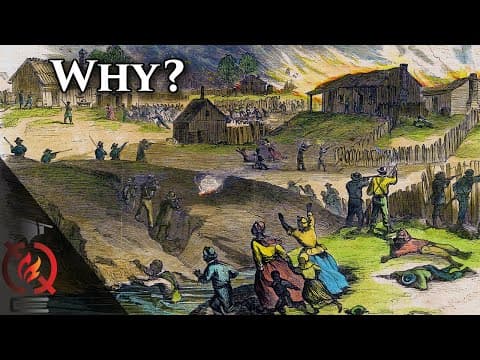
Reconstruction after the American Civil War failed due to a combination of Northern apathy, political conflicts, and systemic racism, leading to the rise of Jim Crow laws and a century-long struggle for civil rights.
Reconstruction, the period following the American Civil War, aimed to implement civil rights for freed slaves and integrate the Southern states back into the Union. However, this ambitious project ultimately failed, leading to a century of racial oppression. This article explores the multifaceted reasons behind the failure of Reconstruction, emphasizing the complexity of historical events and the societal attitudes of the time.
Reconstruction was not merely a political process; it was a profound attempt to redefine civil rights in America. Following the Civil War, the United States faced the monumental task of integrating millions of freed slaves into society. The Radical Republicans sought to embed civil rights into the Constitution, resulting in several amendments and acts aimed at protecting the rights of newly freed individuals. However, despite these legislative efforts, the country lacked the collective will to enforce these rights.
One of the primary reasons for the failure of Reconstruction was widespread apathy among the Northern populace. After years of conflict, many Americans were exhausted and reluctant to continue fighting for civil rights. This exhaustion contributed to a lack of political will, which was crucial for the success of Reconstruction efforts. The sentiment of the time was not in favor of elevating the status of African Americans, as evidenced by events such as the New York draft riots, which targeted black men for violence.
The Reconstruction era was marked by a significant divide between presidential and military approaches. President Abraham Lincoln's initial plan required only 10% of voters in Confederate states to swear allegiance to the Union for those states to regain full rights. However, Lincoln's assassination shortly after the war shifted the political landscape. His successor, Andrew Johnson, adopted a lenient approach, vetoing key civil rights legislation and attempting to undermine the enforcement of civil rights.
In response, Congress implemented military reconstruction, which aimed to enforce civil rights through military governance in the South. Despite some successes, such as suppressing the Ku Klux Klan, military efforts were hampered by economic downturns and a lack of resources.
The long depression that began in the 1870s severely impacted the federal government's ability to enforce Reconstruction policies. As the economy shrank, so did the political will to support civil rights initiatives. Corruption within the Grant administration further complicated matters, leading to a lack of focus on civil rights enforcement. The political landscape was fragmented, with various factions opposing the Radical Republicans and their agenda.
As federal troops withdrew from the South, white supremacist groups like the Redeemers gained power. They employed violence and intimidation to suppress black political participation and restore white dominance. Racial massacres became increasingly common, with the federal government largely unable to intervene effectively. The Supreme Court's ruling in 1876, which stated that the federal government should not enforce civil rights violations, dealt a significant blow to Reconstruction efforts.
The failure of Reconstruction had lasting consequences for American society. The rise of Jim Crow laws institutionalized racial segregation and discrimination, effectively reversing many of the gains made during Reconstruction. The ideals of civil rights, tribal sovereignty, and free labor were sidelined, leading to a prolonged struggle for equality that would last well into the 20th century.
Reconstruction was an unfinished revolution, one that highlighted the deep-seated racism and political divisions within the United States. The combination of Northern apathy, political conflicts, and systemic racism created an environment where civil rights could not be effectively enforced. Understanding the complexities of this period is crucial as we continue to strive for equality and justice in contemporary society. The lessons of Reconstruction remind us that the fight for civil rights is ongoing and that vigilance is necessary to prevent the regression of hard-won freedoms.



















