
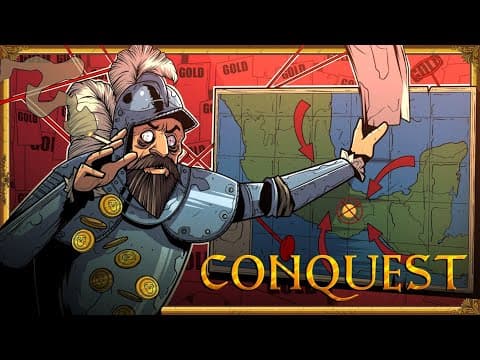
In 1519, the Aztec Empire, a dominant force in Mesoamerica, faced a catastrophic downfall due to the arrival of Hernán Cortés and his small band of conquistadors. Through strategic alliances, military tactics, and the devastating impact of smallpox, the Spaniards managed to conquer the Aztecs, leading to significant changes in the region's history.
At the start of 1519, the Aztec Empire was a dominant force in Mesoamerica. Although commonly perceived as a single entity, the empire actually began in 1428 as an alliance between three city-states: Tenochtitlan, Texcoco, and Tlacopan. Among these, Tenochtitlan would soon rise above the others, gaining infamy in the eyes of its tributaries.
The Mexica, as the inhabitants of Tenochtitlan were called, greatly valued scholarship and maintained large libraries containing manuscripts on various topics, including religion, genealogies, government, and geography. However, life in the empire was also marked by gruesome rituals, including human sacrifices, particularly during times of drought when thousands were killed in a matter of days. Aztec warriors engaged in "flower wars" to capture prisoners for these sacrifices, and some members of the aristocracy even resorted to cannibalism.
The fateful event that would alter Mesoamerican history occurred in February 1519 when a group of several hundred conquistadors, led by Hernán Cortés, landed in the Gulf of Mexico. Cortés was following in the footsteps of two prior expeditions but faced controversy from the start. After clashing with the Cuban Governor Diego Velasquez, Cortés had his expeditionary charter revoked. Undeterred, he decided to proceed with his plans, fully aware of the necessity for success.
Cortés's expedition took a fortuitous turn when they encountered a shipwrecked Spaniard named Jerónimo de Aguilar, who had learned to speak Mayan. He became Cortés's personal translator. Shortly after, the Mayans provided Cortés with 20 slaves, including a woman who spoke both Mayan and the Aztec language, known as La Malinche. Together, they formed a crucial link for communication with the Aztec people.
Upon arrival, Cortés declared the establishment of Villa de la Vera Cruz, marking the first Spanish colony in Mesoamerica. This colony primarily served as a means for Cortés to escape the jurisdiction of Governor Velasquez. His arrival did not go unnoticed, and he was soon welcomed by representatives of the Aztec Emperor Moctezuma II. However, Cortés was aware that this cordiality would not last.
Years of brutal Aztec rule had left few friends among their tributaries. Many, like the Totonac Confederacy, were easily persuaded to ally with the Spaniards against their hated overlords. When Moctezuma sensed trouble, he sent ambassadors bearing gifts of gold in a doomed attempt to appease the Spaniards. Encouraged by the gifts, Cortés ordered a daring march toward Tenochtitlan, scuttling his ships to ensure his men’s loyalty.
As the Spaniards marched, they faced resistance from the Tlaxcalans, leading to violent confrontations. After weeks of brutal warfare, Cortés managed to convince the Tlaxcalans to join his cause against the Aztecs. The violence escalated when the Spaniards, alongside their new allies, massacred the civilian population of Cholula, a significant religious center that had switched sides.
By November, the surviving conquistadors reached Tenochtitlan, home to over 300,000 inhabitants. The city’s grandeur struck the Spaniards with awe. Moctezuma invited Cortés into his palace, where the Spaniards discovered a treasure trove of gold and jewels. Cortés began to pressure Moctezuma to allow the erection of a cross and an image of the Virgin Mary next to Aztec idols, leading to violence and the eventual house arrest of Moctezuma.
As Cortés consolidated power, another Spanish expedition under Pánfilo de Narváez landed with orders to deal with him. Cortés left a small garrison in charge of Tenochtitlan, which proved to be a fateful decision. Pedro de Alvarado, left in command, brutally interrupted an Aztec festival, leading to a massacre that ignited a full-scale revolt.
Cortés returned to find his men under siege. In a desperate attempt to escape, he ordered a breakout during a rainstorm. However, the Aztecs attacked, resulting in heavy casualties for the Spaniards. This event became known as the "Night of Sorrows," with estimates of 400 to 800 Spaniards killed or captured.
Despite their losses, the Spaniards regrouped and faced the Aztecs again at Otumba. The Aztecs, overconfident from their previous victory, were defeated by the Spaniards' cavalry tactics. However, the Aztec Empire was soon struck by a more insidious enemy: smallpox. With no prior exposure to the disease, the Aztecs suffered devastating losses, including their new emperor, Cuauhtémoc.
In early 1521, Cortés and his men, now reinforced by native allies, set off for Tenochtitlan once more. Despite the weakened state of the Aztec Empire, the defenders put up a fierce resistance. After months of brutal urban combat, the remaining defenders made their last stand at Plaza Mayor, where they finally surrendered on August 13, 1521.
The fall of Tenochtitlan marked the end of the Aztec Empire. The victorious Spaniards and their allies mercilessly sacked the city in search of gold and revenge. Cortés was rewarded for his success, becoming captain general of the vice royalty of New Spain.
The conquest of the Aztec Empire was not merely a straightforward military affair. It involved strategic alliances, the overcaution of Moctezuma, and the catastrophic effects of smallpox. The fall of the Aztecs marked the beginning of Spanish dominance in Mesoamerica, leading to the mass conversion of indigenous peoples to Catholicism and the eventual emergence of modern Mexico.



















