In 1993, a group of terrorists led by Ramsey Yousef executed a bombing at the World Trade Center, marking the first attack on the Twin Towers. Despite their efforts, the attack did not achieve its intended goal of collapsing the towers, but it resulted in significant destruction and loss of life. This blog post explores the planning, execution, and aftermath of this pivotal event in American history.
In 1992, two men, Ahmed Aaj and Ramsey Yousef, arrived in the United States with a sinister plan. Armed with fake passports and a bag filled with manuals and videotapes on bomb-making, they aimed to execute a devastating attack on American soil. This event would become known as the first attack on the Twin Towers, a pivotal moment in U.S. history that is often overshadowed by the events of September 11, 2001.
Ahmed Aaj, using a fake Swedish passport, and Ramsey Yousef, with a counterfeit British passport, were both arrested upon their arrival in New York. Aaj was caught with the manuals detailing explosive mixtures, while Yousef managed to evade immediate capture by claiming to seek political asylum as an Iraqi citizen. Released on his own recognizance, Yousef began to prepare for the attack.
The exact reasons behind Yousef's radicalization remain unclear, but his connections with various radical Islamists likely influenced his extremist beliefs. Once in New York, he quickly sought to gather a team to assist in his plans. He moved into a dormitory within the Islamic community in Jersey City, where he met Muhammad Salame, an illegal immigrant from Palestine. Salame, along with others who shared a hatred for America and its allies, joined Yousef's operation.
Over the following weeks, the group collected materials and chemicals necessary to build a bomb, storing them in a rented storage unit. They eventually rented an apartment where they assembled the device, using urea nitrate as the main explosive ingredient. The apartment became increasingly hazardous, with toxic fumes causing visible damage to the surroundings. Despite the chaos, no one in the neighborhood suspected the activities taking place within.
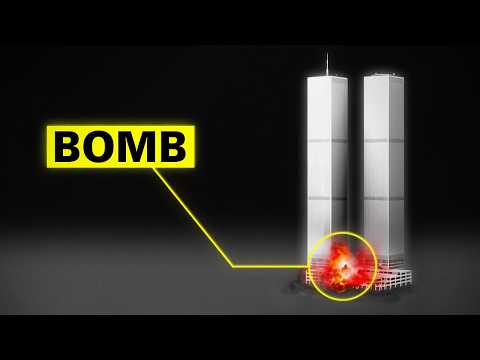
On February 26, 1993, the group was ready to execute their plan. They loaded the bomb components into a yellow van and drove to the World Trade Center, a symbol of American power and prosperity. The van was parked in an underground garage, and as the men lit the fuse, chaos ensued. Thick black smoke filled the building, and the explosion created a massive crater beneath the North Tower.
The attack resulted in over 1,000 injuries and six fatalities, including a pregnant woman and her unborn child. Although the terrorists aimed to topple the North Tower into the South Tower, their plan failed. The towers remained standing, much to Yousef's disappointment as he watched from across the Hudson River before fleeing to Pakistan.
In the wake of the bombing, the FBI launched an extensive investigation. They traced the vehicle used in the attack back to Muhammad Salame, who was arrested while attempting to retrieve his deposit for the destroyed van. His arrest led to the uncovering of the entire conspiracy, as evidence linked him to the other co-conspirators.
Yousef's accomplices were eventually apprehended, and all were sentenced to lengthy prison terms. However, Yousef himself managed to escape and continued plotting further attacks, including the infamous Bojinka plot, which aimed to bomb multiple planes.
The 1993 bombing of the World Trade Center marked a significant moment in the history of terrorism against the United States. While the attack did not achieve its intended goal of collapsing the Twin Towers, it demonstrated the growing threat of radical extremism and foreshadowed future attacks. As the world moved forward, the scars of that day remained, reminding us of the ongoing battle against terrorism and the importance of vigilance in protecting against such threats.