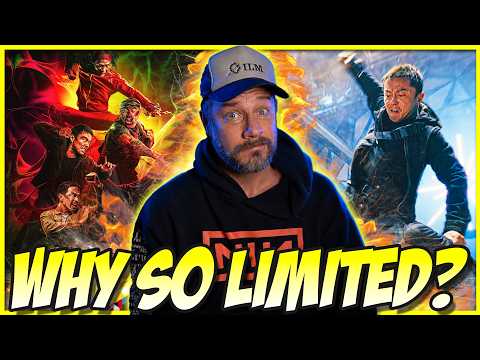
The Furious is a high-octane martial arts film featuring intense close-quarters combat, impressive choreography, and a simple yet engaging plot centered around rescue and revenge. With standout performances, especially from Mo Say and Joe Taslim, and exceptional sound design, the movie offers a raw and visceral experience reminiscent of classics like The Raid and Ong Bak. It’s a must-watch for fans of brutal, hand-to-hand action cinema.
If you have ever watched any of the Raid movies, Fist Full of Vengeance, or The Night Comes for Us, you know exactly what kind of movie The Furious is. It belongs to a genre defined by the highest level of martial arts, close-quarters combat, straightforward fisticuffs, and unconventional weapon usage. These movies typically have simple, easy-to-follow plots that boil down to one of two things: either the characters are looking for someone or seeking to avenge someone. The Furious fits perfectly into this mold.
The Furious stars Mo Say as Wong and Joe Taslim as Naveen. Joe Taslim is a familiar face to fans of martial arts cinema, having appeared in many notable films. Mo Say, on the other hand, is relatively new to me, but his performance was impressive and commanding.
The movie wastes no time and immediately immerses the audience in action with an excellent opening fight sequence set somewhere in Southeast Asia. It features a young woman attempting to rescue a child from what appears to be a child trafficking ring. As expected from this genre, the choreography is top-notch, with excellent fighting scenes that focus purely on hand-to-hand combat rather than explosions, car chases, or shootouts.
One of the standout elements of The Furious is its emphasis on sound design. Every squelch, movement, breath, bone break, and flesh tear is audible in extreme detail, enhancing the visceral experience of the fights.
Since this is an Asian-produced movie, captions are provided. The main character, Wong, is deaf-mute and sometimes uses sign language, especially when communicating with his daughter, Rainey. This means viewers will need to read captions during these scenes unless they understand sign language.
Wong and his daughter Rainey have a strained relationship following the death of Wong's wife, Rainey's mother. The movie does not delve deeply into this backstory but establishes it through brief conversations. The plot kicks into gear when Rainey runs off and is kidnapped, prompting Wong to embark on a quest to find her.
This storyline is reminiscent of The Foreigner starring Jackie Chan, where the protagonist seeks those responsible for his daughter's death. However, Wong's approach is unique due to his deaf-mute condition; instead of demanding names verbally, he shows pictures of his daughter while engaging in brutal combat.
Meanwhile, Naveen is on a parallel quest to find his wife, who was investigating the same child trafficking ring and was kidnapped. Wong and Naveen eventually cross paths and join forces.
There is some ambiguity about Wong's deaf-mute condition. At times, it seems he reads lips, while other times he appears to understand conversations without looking at the speaker. For example, when Rainey screams from a distance, Wong reacts immediately, which raises questions about how he perceives sound.
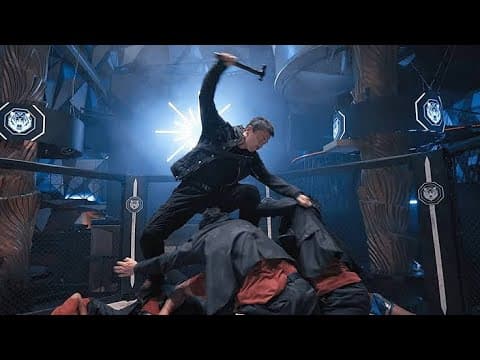
The film features a range of fighters, from low-level goons to main characters who showcase exceptional fighting skills. One particularly memorable fighter is a large man whose unique style combines the agility of a cat with the power of a gorilla. The physicality and stamina of the fighters are remarkable, with characters enduring extreme punishment yet continuing to fight.
One of the most ridiculous yet fun scenes involves Wong riding a motorcycle through a narrow hallway filled with enemies, with his daughter on the back wielding a bat. They plow through the adversaries as if they were mere obstacles, creating a thrilling and visually impressive sequence.
As is common in this genre, the film explores corruption within law enforcement. The police captain is revealed to be working with the child traffickers. In a particularly blatant display of corruption, he denies entry to a building where children are believed to be held, despite clear evidence. Civilians and police surround the building, but the captain refuses to act, allowing a street gang to enter instead.
Eventually, a police officer defies the captain, leading to a raid that ends the conflict. This subplot adds tension and highlights the challenges the protagonists face beyond physical combat.
Yayan Ruhian, a renowned action star, appears in the film wearing a red Adidas tracksuit and wielding two machetes, a longbow, and a quiver of arrows. His character is a force of destruction, cutting through enemies with precision and power.
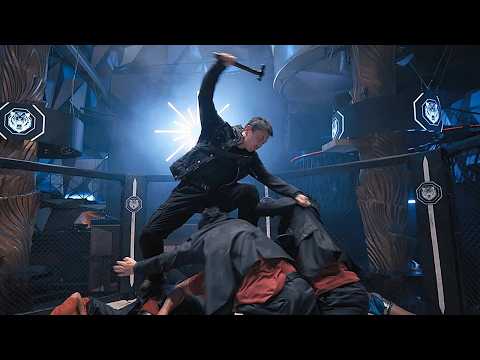
The final fight scene is a fast-paced, chaotic battle involving multiple fighters. The choreography is so intricate and rapid that it can be difficult to discern who is fighting whom, resembling a battle royale. The skill and coordination required to film such a sequence are extraordinary.
If you are familiar with movies like The Raid, you know what to expect from The Furious. It is an entertaining, fun film that knows exactly what it is. It does not aim to deliver a complex story with deep themes or muscular characters. Instead, it offers pure, brutal hand-to-hand combat that fans of the genre will appreciate.
For me, The Raid remains the gold standard, with Ong Bak holding a special place as my introduction to this genre over 20 years ago. The Furious stands proudly alongside these classics.
This article is less of a traditional review and more of a celebration of the film's thrilling combat and unique style. If you enjoy martial arts movies that focus on raw, visceral action, The Furious is definitely worth watching.
Have you seen The Furious? What did you think? What is your favorite movie in this genre? Let the conversation begin!