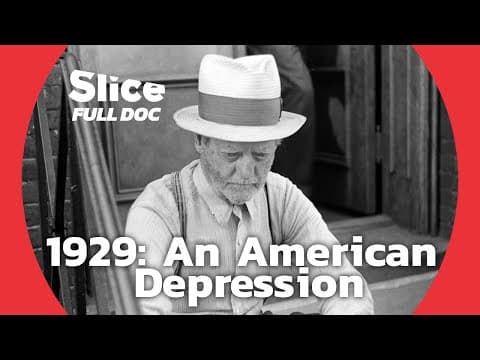
The Great Depression was a pivotal moment in American history, marking a drastic shift from the prosperity of the 1920s to widespread economic despair. This blog post delves into the events leading up to the Great Depression, the societal impacts during this tumultuous time, and the responses that shaped the future of the United States.
The Roaring Twenties: A Time of Prosperity
After World War I, the United States emerged as a global power, experiencing a period of unprecedented economic growth. The 1920s, often referred to as the Roaring Twenties, was characterized by technological advancements, cultural shifts, and a booming stock market.
- Economic Boom: The stock market was thriving, and many Americans believed they could achieve wealth through investments. This optimism fueled a culture of speculation and risk-taking.
- Social Changes: The decade also saw changes in social norms, with women gaining more freedoms and workers enjoying higher wages.
The Crash of 1929
However, this era of prosperity came to a sudden halt in 1929 with the stock market crash. The initial signs of economic trouble began to surface, leading to widespread panic and financial ruin.
- Personal Impact: Many families, including mine, faced dire consequences as the economic collapse affected education and job opportunities. The once-promising American dream began to feel like a nightmare.
- Emergence of Hoovervilles: As people lost their homes, makeshift communities known as Hoovervilles sprang up in cities, named derisively after President Herbert Hoover, who was seen as ineffective in addressing the crisis.
The Human Cost of the Depression
The Great Depression brought about severe hardships for millions of Americans. The struggles of everyday life were stark and often heartbreaking.
- Hunger and Despair: Many families faced extreme hunger, with mothers resorting to feeding their infants with inadequate substitutes. The sight of long lines at soup kitchens became a common reality.
- Protests and Unrest: As desperation grew, so did anger. In March 1930, thousands marched in New York demanding work and food, and by 1932, protests escalated, culminating in the Bonus Army march on Washington.
The Rise of Franklin D. Roosevelt
In the face of growing discontent, Franklin D. Roosevelt was elected president in 1932, promising a New Deal for the American people.
- The New Deal: Roosevelt's administration implemented a series of reforms aimed at economic recovery, including the Emergency Banking Act and the National Recovery Administration (NRA). These measures sought to stabilize the banking system and promote fair labor practices.
- Public Works Programs: The New Deal also focused on job creation through public works projects, employing millions and revitalizing infrastructure across the country.
The Dust Bowl and Environmental Challenges
While the New Deal aimed to address economic issues, environmental challenges also plagued the nation, particularly in the agricultural heartland.
- The Dust Bowl: Poor farming practices led to severe soil erosion, resulting in devastating dust storms that displaced countless families. The government responded with environmental policies aimed at restoring the land.
Social Change and Labor Movements
The 1930s also saw significant social changes, particularly in labor relations and civil rights.
- Union Growth: The National Labor Relations Act of 1935 strengthened labor rights, leading to the formation of the Congress of Industrial Organizations (CIO) and a wave of strikes across various industries.
- Civil Rights: The New Deal era also opened discussions about race and equality, with photographers documenting the struggles of African Americans, challenging prevailing stereotypes and highlighting their contributions to society.
The Second Economic Crisis and World Events
Despite initial recovery, the economy faced another downturn in 1937, leading to renewed fears of instability.
- International Tensions: As Europe descended into conflict, American public opinion began to shift, with some drawn to radical ideologies. The rise of fascism and the threat of war loomed large, complicating domestic issues.
Conclusion
The Great Depression was a complex period marked by profound economic, social, and political changes. The resilience of the American people, coupled with the transformative policies of the New Deal, laid the groundwork for future recovery and growth. As the nation faced the challenges of the 1940s, the lessons learned during the Great Depression would shape America's identity and its role in the world for decades to come.