
The Great Locomotive Chase, also known as Andrews' Raiders, is a thrilling tale from the Civil War where Union soldiers attempted to sabotage Confederate railroads. This blog explores the historical significance, cinematic adaptations, and the legacy of this audacious raid.
The Great Locomotive Chase, also known as Andrews' Raiders, is one of the most thrilling and audacious tales from the American Civil War. This blog post delves into the historical significance of the raid, its cinematic adaptations, and the legacy it has left behind.
The story of Andrews' Raiders is a remarkable adventure that has captivated audiences for generations. In April 1862, a group of Union soldiers, led by James J. Andrews, embarked on a daring mission to disrupt the Confederate supply lines by stealing a locomotive and destroying railroad tracks. This bold plan aimed to hinder the Confederate war effort and was marked by bravery and ingenuity.
On April 12, 1862, Andrews and his men successfully commandeered a train, known as The General, in northern Georgia. Their objective was to travel deep into Confederate territory, sabotaging railroads along the way. However, their plan faced immediate challenges as Confederate forces quickly mobilized to pursue them. The chase that ensued was filled with tension, close calls, and dramatic confrontations.
The Great Locomotive Chase has inspired several films, highlighting its enduring appeal. Notably, two major films have been produced based on this historic incident:
The General (1927): Starring Buster Keaton, this silent film is a comedic take on the events of the chase, showcasing Keaton's unique talents and physical comedy. While it takes creative liberties, it remains a classic in American cinema.
The Great Locomotive Chase (1956): Produced by Walt Disney, this film presents a more straightforward retelling of the events, focusing on the bravery of Andrews' Raiders and their mission. It captures the spirit of adventure and the historical context of the Civil War.
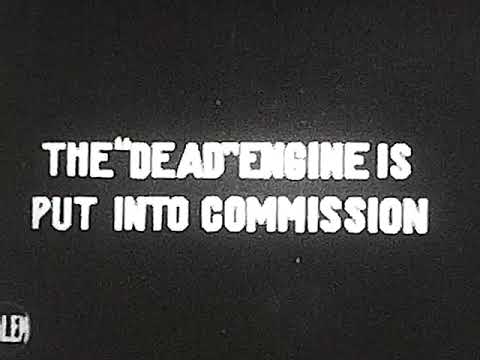
Interestingly, the first film adaptation of this story was Railroad Raiders of ‘62, made by Kalem in 1911. This one-reel film, which has been preserved in the George Kleine Collection at the Library of Congress, was identified in 1958. Although it lacks a main title or markings, it is believed to depict the events of the chase, featuring locomotives and scenery reminiscent of the actual terrain where the chase took place.
Despite their daring efforts, Andrews' Raiders faced significant challenges. The Confederate engineer, realizing the theft of the locomotive, sought reinforcements to pursue the raiders. Eventually, the Union soldiers found themselves out of fuel and water, forcing them to abandon the engine and surrender. The raid, while ultimately unsuccessful, became a symbol of Union bravery and ingenuity.
The Great Locomotive Chase remains a significant event in American history, illustrating the lengths to which individuals would go to impact the war. The story has been immortalized in literature, film, and folklore, serving as a testament to the courage and determination of those involved.
The tale of Andrews' Raiders is not just a story of a failed mission; it is a narrative of adventure, bravery, and the complexities of war. The Great Locomotive Chase continues to inspire and entertain, reminding us of the daring exploits that shaped the course of history during the Civil War.



















