The Grenfell Tower fire in June 2017 resulted in 72 deaths and exposed severe safety failures in high-rise buildings, leading to ongoing investigations and reforms in building regulations. Despite some progress, many residents still live in unsafe conditions, raising questions about accountability and the effectiveness of reforms.
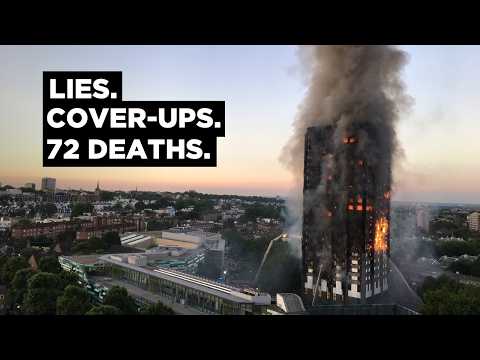
On June 14, 2017, a devastating fire broke out at Grenfell Tower in North Kensington, West London, marking one of the most shocking human tragedies in recent UK history. The fire, which started in a kitchen on the fourth floor, quickly escalated, leading to a catastrophic loss of life and exposing serious safety failures in high-rise buildings.
In the early hours of the morning, a resident awoke to a loud beeping sound and discovered a fire in his flat. He immediately called emergency services, but by the time firefighters arrived, the situation had already spiraled out of control. The fire spread rapidly, climbing the building's exterior cladding and reaching the roof within half an hour.
By 2:35 AM, the fire had engulfed the north and east sides of the tower, prompting a shift in emergency advice from staying put to evacuating. Tragically, by the time the fire was fully under control, 72 lives had been lost, including many disabled individuals and children. The aftermath left 120 homes destroyed and families shattered.
In the wake of the tragedy, it became clear that the Grenfell Tower fire was not just a disaster but a potential criminal and political scandal. Investigations revealed that the building's cladding, made from highly flammable materials, played a significant role in the fire's rapid spread. The cladding was chosen for its cost-effectiveness rather than safety, raising questions about the priorities of those responsible for the building's refurbishment.
The cladding used on Grenfell Tower was aluminum composite material (ACM), which was selected to enhance the building's appearance and thermal efficiency. However, it was also chosen because it was cheaper than safer alternatives. Investigations uncovered that the decision-making process was heavily influenced by financial considerations, with the main contractor, Rydon, opting for ACM to save costs, despite knowing the risks associated with its use.
Emails revealed that Rydon’s management was more concerned about profits than safety, with one commercial manager stating they would be “quids in” if they did not have to return as much money as initially thought. This cost-cutting measure had devastating consequences, as the cladding was known to be highly flammable, a fact that had been documented in previous fire safety tests.
The inquiry into the Grenfell disaster highlighted systemic failures across multiple organizations, including the British Government, the Borough of Kensington and Chelsea, and various contractors involved in the refurbishment. The report criticized these entities for their negligence and lack of accountability, stating that they had failed the residents of Grenfell Tower in numerous ways.
The London Fire Brigade's decision to maintain a stay-put policy for nearly two hours after the fire started was also heavily criticized. This policy is typically employed in high-rise buildings to contain fires, but in Grenfell's case, it proved disastrous as the fire spread rapidly on the outside of the building.
In the years following the fire, some legislative changes have been implemented, including a ban on ACM cladding for new high-rise residential buildings and the introduction of the Building Safety Act 2022, which aims to give residents more rights and protections. However, many buildings still have dangerous cladding, and the pace of remediation has been criticized as too slow.
As of early 2025, approximately 2,000 social housing buildings still had not been remediated, with nearly 500 lacking any remediation plan. Leaseholders have also found themselves trapped in properties with similar safety issues, unable to sell or move on with their lives.
The Grenfell Tower fire serves as a stark reminder of the consequences of neglecting safety in the pursuit of profit. The inquiry's findings have prompted calls for significant reforms in building regulations and practices, emphasizing the need for accountability and transparency in the construction industry.
As the community continues to grieve and seek justice, the question remains: how can such a tragedy be prevented in the future? The Grenfell disaster must be a catalyst for change, ensuring that the safety and well-being of residents are prioritized above all else.
The ongoing struggle for justice and safety highlights the importance of vigilance in building practices and the need for a cultural shift within the construction industry to prioritize human life over profit.