
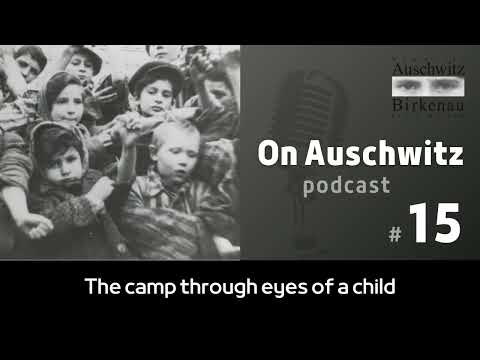
This blog post explores the complex history of Auschwitz, focusing on the experiences of children who were imprisoned there. It discusses their living conditions, psychological trauma, and the resilience they showed in the face of unimaginable adversity.
The history of Auschwitz is exceptionally complex, serving as both a concentration camp and an extermination center during the Holocaust. Nazi Germany persecuted various groups of people within its confines, and the camp continually expanded and transformed. In this post, we delve into the details of Auschwitz's history, particularly through the eyes of children who suffered there.
Children in Auschwitz faced conditions that were no different from those of adults. They suffered from hunger and cold, were forced into labor, and were subjected to punishment, death, and cruel medical experiments. Doctor Wanda Witek-Malicka from the Memorial’s Research Center highlights the grim reality for children, who lived in the same barracks and endured the same hardships as adult prisoners.
One of the most devastating aspects for children was the separation from their families. Upon arrival, many children were fortunate enough to stay with their mothers, but often families were torn apart. This sudden shift thrust children into a terrifying reality where they had to fight for survival alone. They faced daily struggles to find food and avoid beatings from SS guards or functionary prisoners.
The psychological impact on children was profound. Many Jewish children quickly became aware of the fate that awaited their families, leading to a deep sense of loss and despair. The knowledge that their loved ones were at risk of extermination could shatter their will to survive. Accounts from survivors like Maurice Cling and Halina Birenbaum illustrate how the death of family members led to a breakdown in their spirit, making survival seem impossible.
Children lived in the same barracks as adults, but their clothing was a significant issue. There were no child-sized striped uniforms, forcing them to wear oversized adult clothing. This lack of proper attire compounded their suffering, especially during colder months. Children often had to creatively adapt their clothing, using whatever materials they could find to stay warm.
Despite the dire circumstances, children displayed remarkable resourcefulness. They repurposed clothing and created makeshift garments from blankets or other materials. For instance, one survivor fashioned panties from a sweater, while another used a scarf to create a hat. This creativity was a testament to their resilience in the face of adversity.
In many cases, older siblings took on parental roles, caring for younger children. This shift forced them to mature quickly, as they became responsible for the well-being of their siblings. Accounts from survivors reveal touching stories of children supporting one another, often at great personal risk.
The camp environment stripped children of their innocence. The lack of educational and recreational activities meant that their childhood experiences were replaced with survival instincts. While some children attempted to find moments of joy, such as playing games or creating toys, these instances were rare and often met with harsh consequences.
Children sought to reclaim a sense of normalcy amidst the chaos. They engaged in games reminiscent of their pre-camp lives, such as sliding on frozen puddles or playing knucklebones. These fleeting moments of joy were crucial for their mental health, providing a brief escape from the harsh realities of camp life.
The liberation of Auschwitz on January 27, 1945, marked a new chapter for the surviving children. However, the aftermath was fraught with challenges. Many children suffered from severe health issues due to malnutrition and the brutal conditions they endured. Emotional scars from their experiences lingered long after the physical wounds healed.
Survivors faced significant difficulties reintegrating into society. Many struggled with mental health issues, including depression and anxiety, stemming from their traumatic experiences. The loss of family members and the horrors witnessed in the camp left lasting imprints on their psyche, akin to the trauma experienced by soldiers returning from war.
The experiences of children in Auschwitz serve as a haunting reminder of the atrocities committed during the Holocaust. Their stories of resilience, creativity, and survival amidst unimaginable suffering highlight the need for remembrance and education about this dark chapter in history. Understanding the impact of these experiences on young lives is crucial in ensuring that such horrors are never repeated.



















