
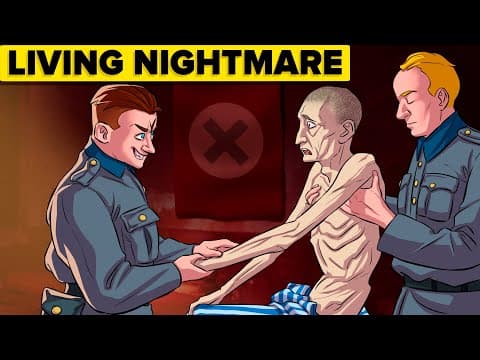
This blog post explores the terrifying experience of being captured and transported to Nazi concentration camps during the Holocaust, detailing the dehumanizing processes, brutal living conditions, and the resilience of prisoners amidst unimaginable suffering.
Imagine being abruptly awakened in the dead of night, only to find armed men in long black coats storming into your home. The terror of being hunted down for simply existing as a member of a persecuted group is a chilling reality for many during the Nazi regime. This blog post delves into the harrowing experiences of those captured and transported to Nazi concentration camps, highlighting the dehumanizing processes they endured and the resilience they displayed in the face of unimaginable suffering.
The nightmare begins with a violent intrusion into the safety of one’s home. Families are torn apart, dragged into the streets, and forced into military vehicles at gunpoint. For Jews and other minority groups targeted by the Nazis, this was a common occurrence. The fear of being snatched off the streets loomed large, as the arbitrary nature of Nazi persecution meant that anyone could be deemed undesirable at any moment.
Once captured, the journey to a concentration camp is anything but straightforward. Victims are crammed into vehicles, often with little space to breathe, deprived of food, water, and basic sanitation. The stench of vomit and excrement fills the air as prisoners are forced to endure days of suffering, anxiety, and uncertainty about their fate. Many lose sight of their loved ones during this harrowing transport, with no hope of ever reuniting.
Upon arrival, the dehumanization continues. Prisoners are herded off the vehicles and subjected to a grim welcome rite. They are asked to provide personal information, and based on their responses, they face a life-altering decision: deemed fit for work or sent to immediate execution. The arbitrary nature of this selection process is a chilling reminder of the fragility of life under the Nazi regime.
Once registered, prisoners are stripped of their identities. Their names are replaced with prison numbers, and they are forced to surrender their belongings. This act of erasure is a deliberate tactic to strip individuals of their humanity. The assigned prison uniforms, often uncomfortable and degrading, serve as a constant reminder of their new reality.
Life in a concentration camp is marked by brutality and despair. The hierarchical structure within the camps mirrors that of the Nazi regime, with guards wielding absolute power over the prisoners. Living conditions are deplorable, with overcrowded barracks, inadequate sanitation, and rampant disease. The constant presence of vermin and the lack of basic medical care contribute to a high mortality rate among prisoners.
Prisoners face a daily battle for survival, marked by hunger and the meager rations provided by the Nazis. The food, often consisting of watery soup and stale bread, is insufficient to sustain them, leading to a relentless cycle of deprivation. Forced labor under harsh conditions further exacerbates their suffering, with many succumbing to exhaustion, illness, or violence.
Each day begins and ends with The Appel, a roll call that serves as a grim reminder of their captivity. Prisoners are subjected to hours of standing in formation, often in harsh weather, with any sign of weakness met with brutal punishment. The Appel is not just a count; it is a demonstration of the Nazis' control over their lives.
While there are designated sick bays, they often provide little more than an illusion of care. Overcrowded and lacking basic medical supplies, these facilities become places of suffering rather than healing. Many prisoners die from untreated illnesses, while others are left to languish in despair.
Despite the overwhelming darkness, prisoners find ways to retain their humanity. Through art, writing, and cultural practices, they hold onto fragments of their identities. These acts of defiance serve as a testament to the indomitable human spirit, showcasing the resilience that persists even in the face of unimaginable cruelty.
The experiences of those held in Nazi concentration camps serve as a haunting reminder of the depths of human depravity. The legacy of the Holocaust urges future generations to remember the past and strive for a world free from hatred and bigotry. The stories of survival and resilience amidst the horrors of the camps highlight the power of hope and the enduring strength of the human spirit, even in the darkest of times.



















